
Search is currently unavailable. To use search functionality, please accept cookies in your preferences.
Stand-Up for Roadless
The United States Department of Agriculture released a notice of intent to rescind a piece of Forest Service policy called the Roadless Rule in June 2025. Read on to learn more about this policy.
13 min leer
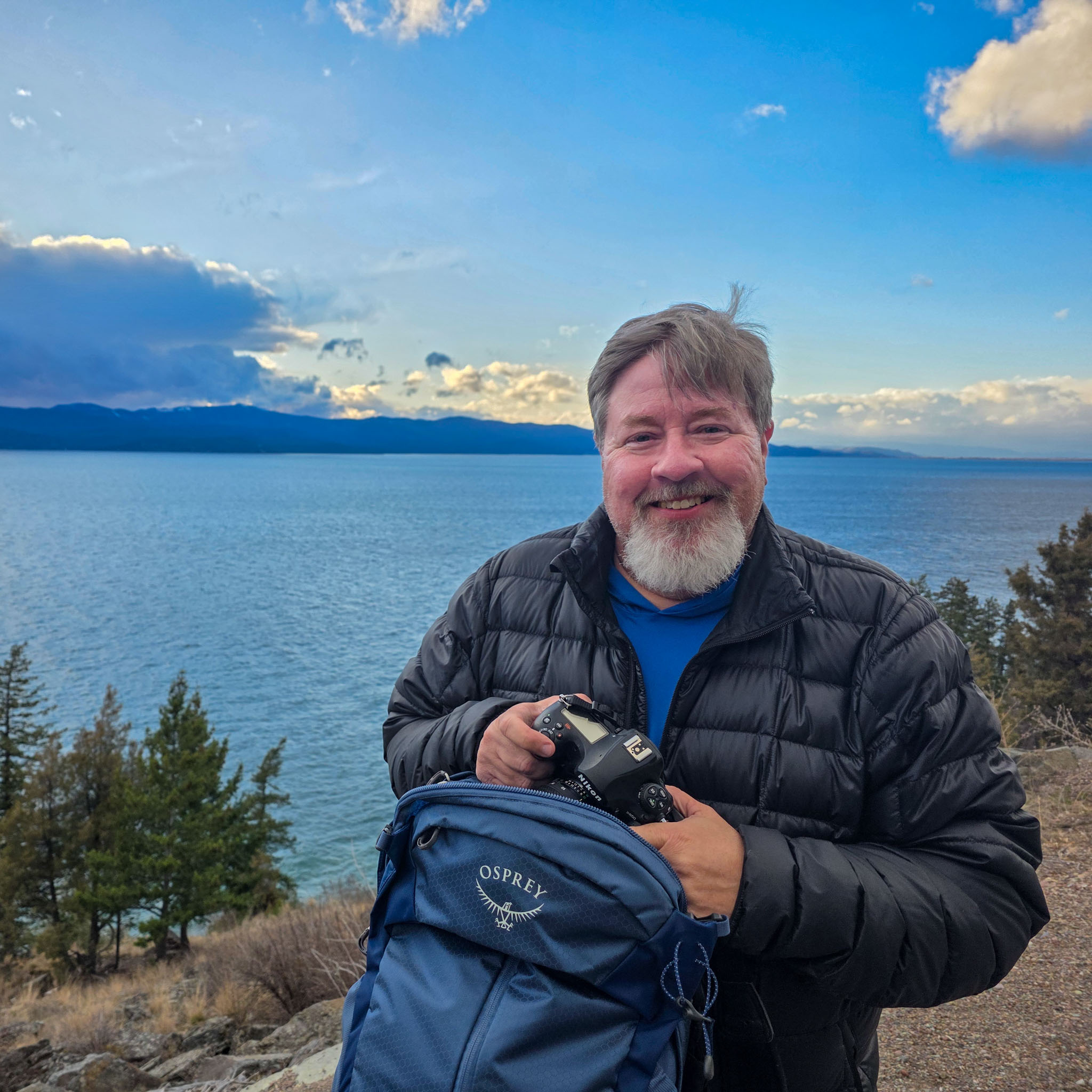
Bill Hodge
Mar 31, 2026
From The Conservation Alliance(Se abre en una ventana nueva): |
My first time walking in a trackless forest, a place absent from the noise of society and the trappings of life in town, was in the Black Mountains of North Carolina. I didn’t so much know that it was “roadless” as I knew that it felt wild—unique. I was entranced—the smell of the Balsam-Fir ecosystem to this day takes me back to being in my youth—hiking in a place that felt as though the whole world was mine to explore.
To be clear, the year was 1975, and while this place was devoid of roads, it was not ‘roadless’ in the sense that it’d been formally inventoried and protected as such. In 1975, the Wilderness Act was just a year older than I was, and the United States Forest Service was still trying to ‘get right’ the implementation of the landmark 1964 legislation. The process of inventorying acres that might warrant being included in the National Wilderness Preservation System was called the Roadless Area Review and Evaluation (RARE). The first rough evaluation of so-called primitive areas had been completed in 1973, but that process mostly skipped past eastern forests and was eventually re-done in what we now call RARE II.
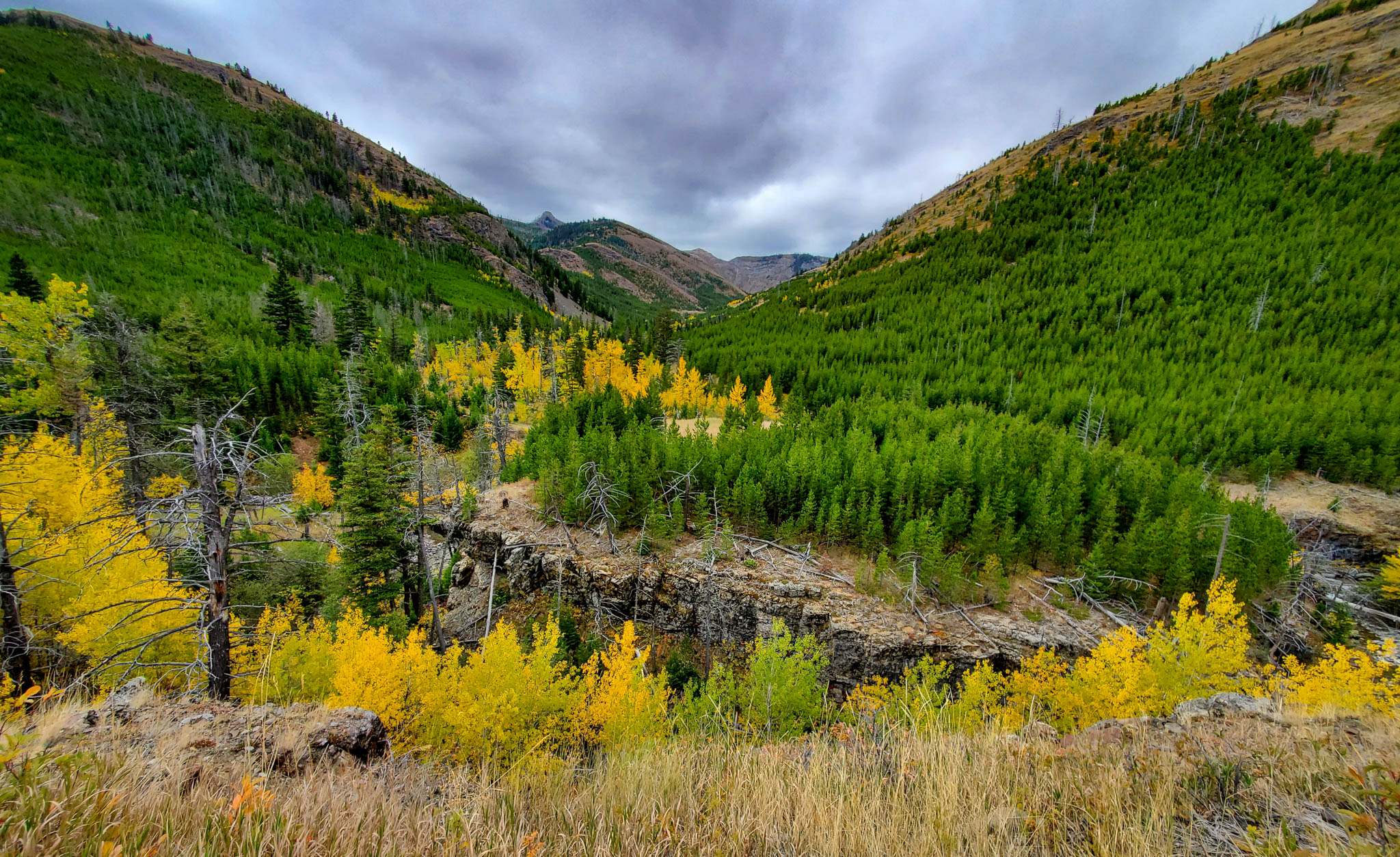
To inventory areas devoid of roads and related development might seem odd to those not spending their days focused on the care and feeding of the places we all get to enjoy and benefit from, but an inventory was needed. The Forest Service had been in a frenzy since the advent of the modern vehicle(Se abre en una ventana nueva) of punching roads everywhere, primarily to facilitate timber harvesting(Se abre en una ventana nueva). The Forest Service, an agency born early in the 20th century to care for watersheds and a sustainable trove of forest products, had become the nation's number one road builder. The Forest Service today manages a system of over 380,000 miles of roads(Se abre en una ventana nueva); a number 8 times the total number of miles in the country's Interstate System.
The inventories (RARE and RARE II) did very little to quiet the hunger for more roads and more clear-cut forests. An agency that had given rise to the wilderness idea, under the leadership of Aldo Leopold, Bob Marshall and Arthur Carhart, was now moving as fast as they could to disqualify acres for possible inclusion to the emerging system of wilderness areas. Roadless Acres were still quite literally on the chopping block. Putting an end to the seemingly relentless drumbeat for more roads would require more than just recognizing an inventory of acreage.
One reason to stop building roads in rare and remote places might have been the potential damage to unique ecosystems, but that reasoning was not enough to stem the tide of an ever-more-divided system of National Forest lands. Local decisions were piling up with more proposed roads, even as the agency was failing to keep up with the roads they had already built. Failing roads were creating significant erosion issues as new miles were added to the system, and the total number of acres left free from the heavy hand of development were dwindling. Into this dilemma stepped Mike Dombeck.
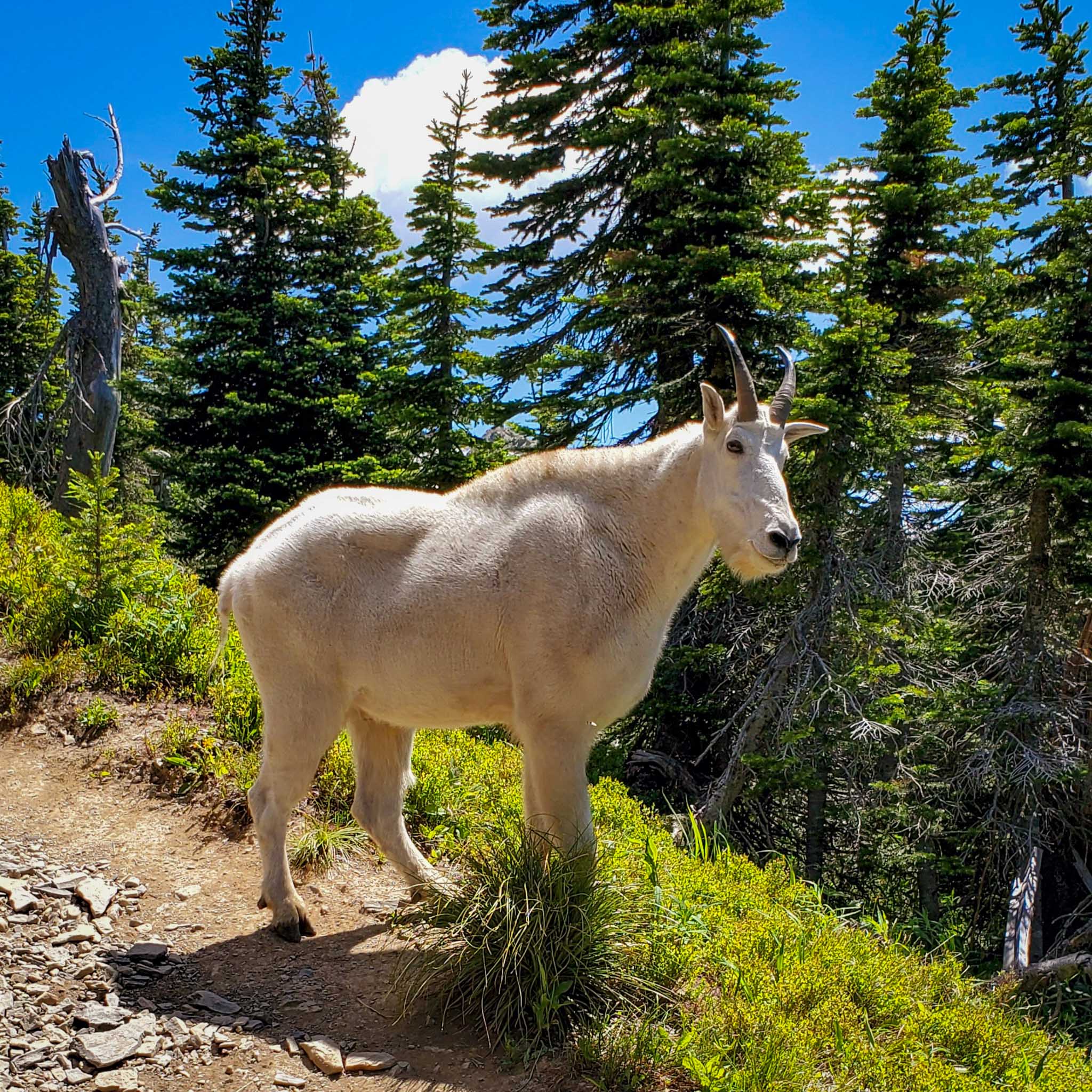
Mike Dombeck was the Chief of the United States Forest Service from 1997 to 2001. Chief Dombeck saw the threats to landscapes, the burdensome protracted legal fights, and the failing Forest Service Road System and said simply “stop”. He instructed the agency to stop proposing and building new roads in the 58 million acres of areas that RARE II identified. His internal memo would start an unprecedented public engagement campaign to wrestle with how to treat these remaining roadless acres while they took a break from infiltrating them with more dozer cuts. That process included meetings in every corner of the country, millions of comments from the public, and a scientific review of what roads do to impact the forest. The agency took the time to create a new rule around their policy regarding acres like the ones I experienced as that 10-year-old boy. That rule—the Roadless Rule—has stood since it was put in place by the United States Department of Agriculture, the Department in which the Forest Service resides, in January of 2001.
That rule has held a pattern of ever-expanding road construction at bay for a quarter of a century. It has kept critical habitat intact so that the non-human world has a chance. It has kept us humble when we are always convinced that we can “manage” our way out of a predicament. A simple rule with huge impact: let's not build more roads where there are none. Let's not build roads in landscapes that resist roads.
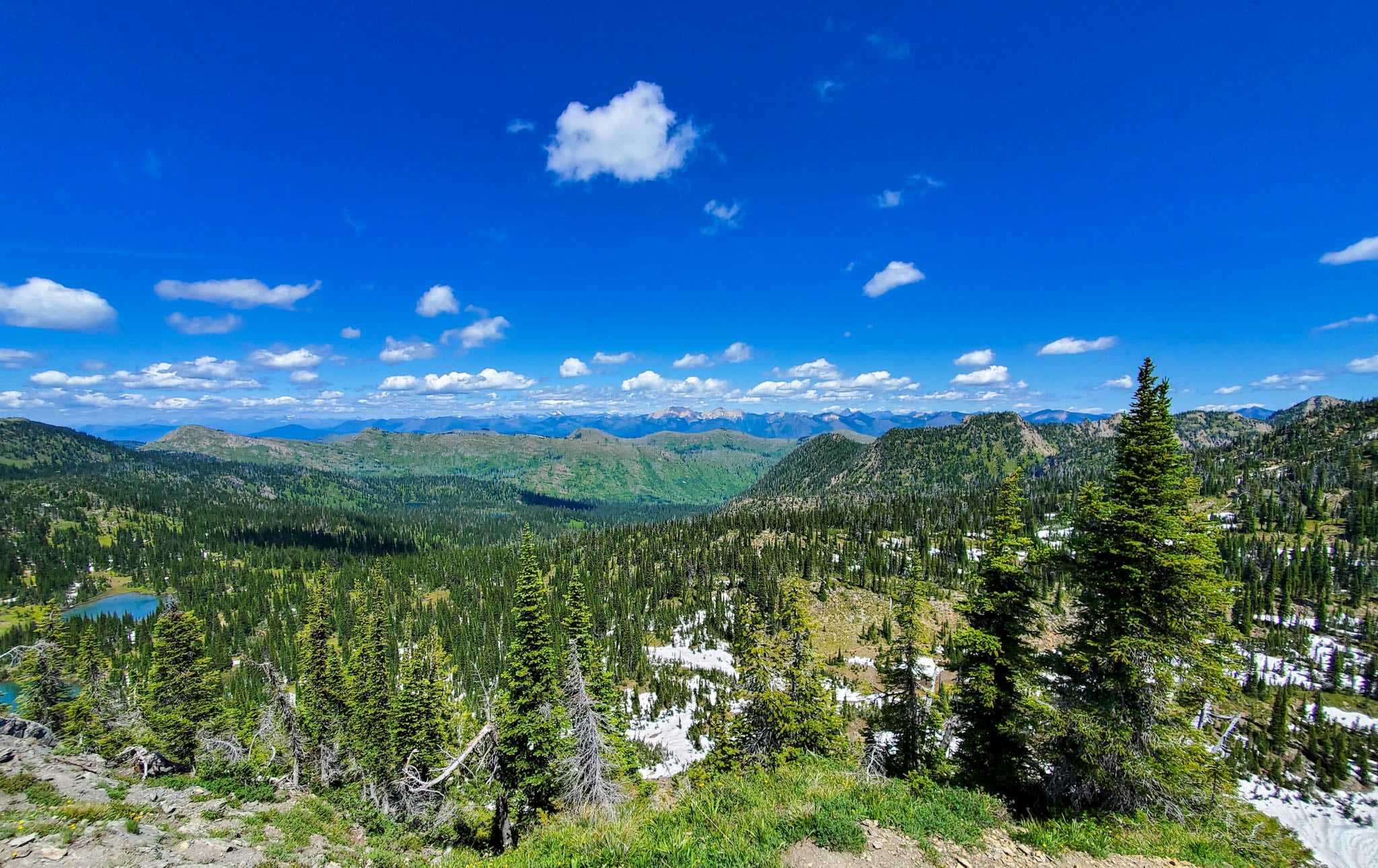
Since that hike in the Black Mountains, I have spent a lifetime hiking in, stewarding, and fighting for roadless acres, from the Tongass National Forest in southeast Alaska, to the Jewel Basin here in my backyard of the Flathead National Forest of northwest Montana.
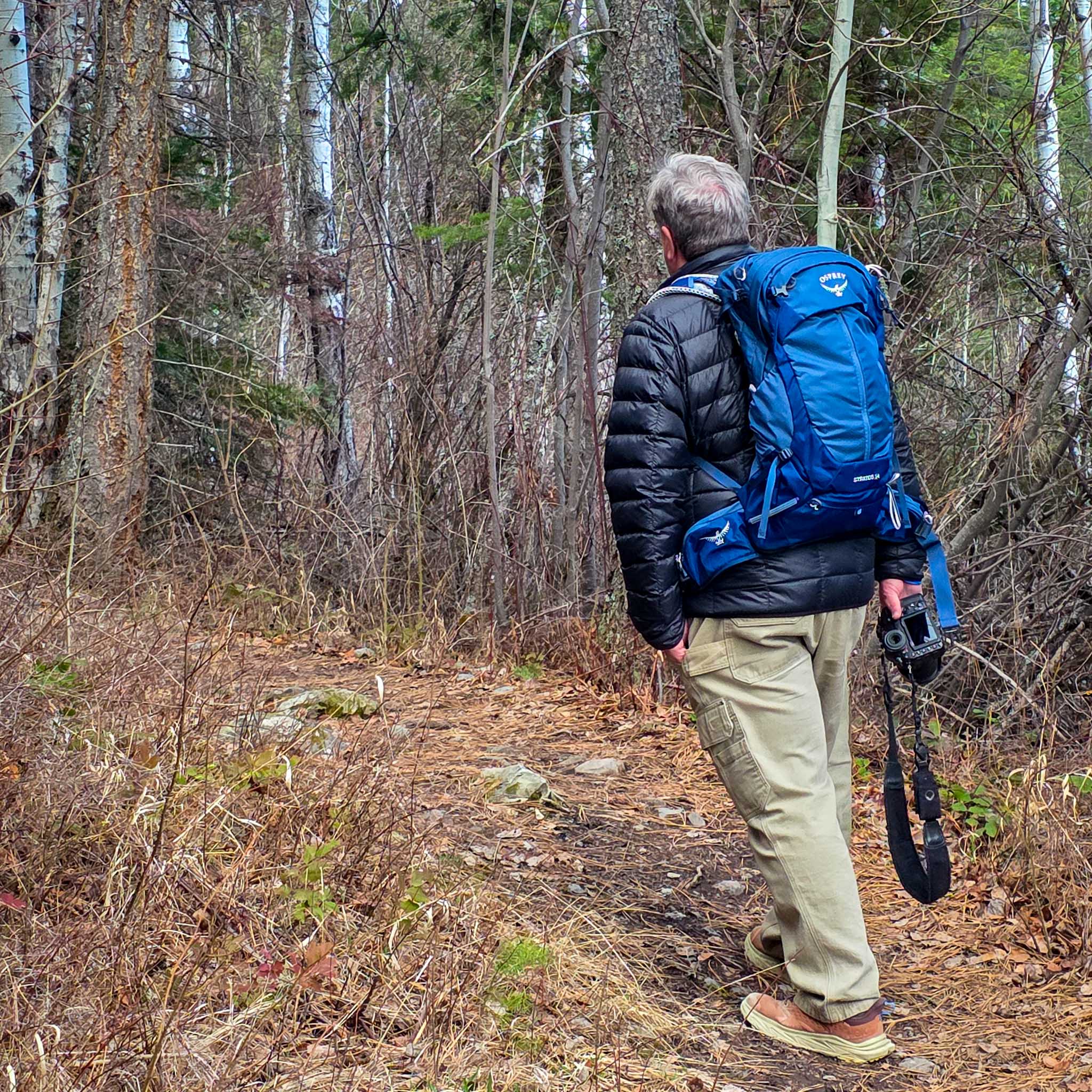
The Roadless Rule has stood to protect 58 million acres. The rule, while having a clear definition—no more new roads in defined roadless areas—is also filled with nuance and flexibility. Local Rangers have tools at their disposal to address forest health and forest fire risk. Those Rangers are not precluded from providing a range of recreational opportunities in those roadless acres. The limit is on building any new, permanent roads.
The future of these protections now hang in the balance. The current secretary of the USDA made a promise in June of last year to rescind the Forest Service Roadless Rule(Se abre en una ventana nueva). The announcement touts that this change will allow local decision makers to take over management and address wildfire concerns without recognizing that purely local decisions are what gave us seemingly endless, unmaintained miles of roads in the first place, and that roads and related activities are the number one vector for wildfire ignitions. They've got it upside down.
This spring, the Forest Service will take the formal step of releasing a draft Environmental Impact Statement around this intent to drop the rule, giving the public one more shot to speak up for the rule. Otherwise, the agency will revert back to decisions that could have long-lasting impacts on large landscapes enjoyed by millions and critical to keeping key habitats intact and functioning. Even at a time when decisions seem predetermined and rescission seems imminent, the public can and should speak with the same voice that protected these landscapes 25 years ago.
Somewhere, in the not-too-distant future, another 10-year-old child will experience the joy of the quiet, the fear of the unknown, and the wonder of all there is to explore—and that child will have you to thank because you stood up.
Have your voice and your concerns heard, follow those that are tracking this important rule, and—most importantly—find a tract of roadless forest near you and fill your lungs, your eyes and your heart.
Bill Hodge is the co-host of The Wild Idea Podcast (Se abre en una ventana nueva)and the founder of Wild Idea Media(Se abre en una ventana nueva). Bill has been a voice and facilitator for stewarding our wildest places for almost two decades. He has been working in the woods and in the halls of Congress, not only advocating for public lands, but seeing that they are accessible to all as well. Along with his co-host Anders Reynolds, Bill centers the podcast on exploring the tangled web of laws and policy that make all of our experiences possible, from where the road ends to where the adventure begins. Learn more about the Roadless Rule(Se abre en una ventana nueva) with The Wild Idea Podcast. |
Cargando...
Your Cart ()
No tienes ningún artículo en tu carrito.
You may also like
Subtotal:
Subtotal after discount:
Cargando...