
Search is currently unavailable. To use search functionality, please accept cookies in your preferences.
Enhancing Your Leave No Trace Knowledge
From theory to real world application.
4 minutos leer
Leave No Trace
Oct 03, 2025
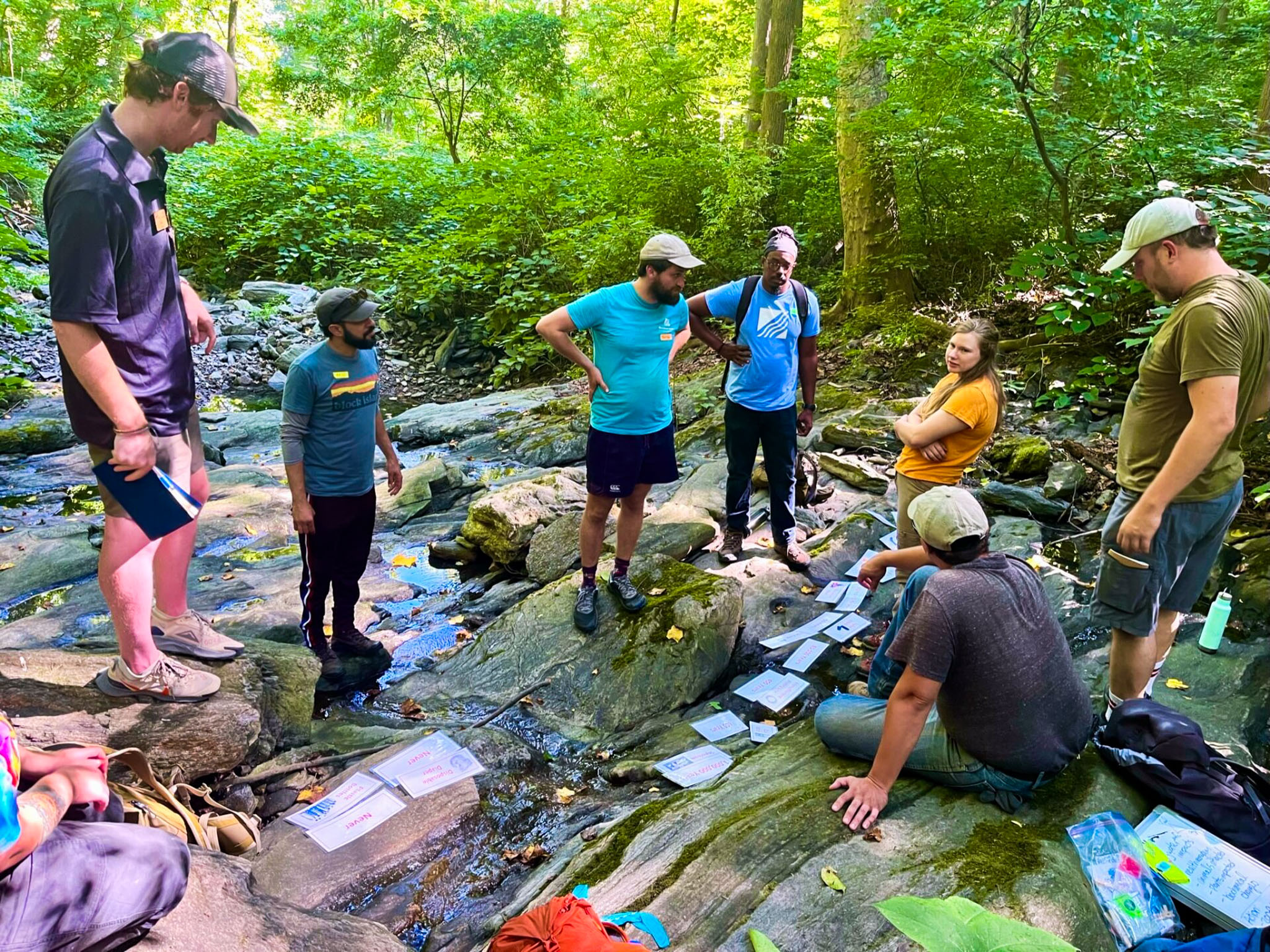
As more people explore our natural landscapes, it’s crucial to understand and practice these principles to minimize our impact. Let’s dive deeper into Leave No Trace (LNT) and the seven principles that guide responsible outdoor recreation.
Understanding LNT Principles
At the heart of Leave No Trace are seven principles(Se abre en una nueva ventana) that serve as guidelines for minimizing environmental impact. These principles are flexible and vary based on the ecosystem (desert vs. forested mountains for example) and visitation levels of the area you’re exploring. Before embarking on any outdoor adventure, research your destination to understand its ecological sensitivity and popularity.
Choosing Durable Surfaces
One of the foundational tenets of LNT is to stick to durable surfaces whenever possible. Opt for trails, gravel, sand, or rock to minimize soil erosion and protect fragile vegetation to preserve their integrity. If you must venture off-trail, step lightly on durable ground like dry grass or rock.

Group Dynamics and Impact
Group size significantly affects the environmental footprint. Larger groups tend to impact ecosystems more than smaller ones, increasing noise levels and the likelihood of trail erosion. When hiking in a group, maintain single-file formation on trails to concentrate impact and avoid widening paths. In cross-country settings, spread out to disperse impact and prevent the formation of new trails.
Trail Etiquette and Courtesy
Respecting trail etiquette is essential to LNT practices. Yielding to other users, such as horses or cyclists, ensures safety and minimizes disruption to wildlife. Stepping off-trail should be minimized to protect fragile vegetation and prevent erosion. Remember, practicing courtesy on trails contributes to a positive outdoor experience for all users.

Assessing Environmental Impact
Understanding an area’s level of use helps tailor your LNT approach. Highly frequented areas may already have established trails and campsites. Use designated sites and existing fire rings to concentrate impact and preserve natural beauty. In less-visited areas, avoid creating new paths or campsites to maintain pristine conditions and allow ecosystems to recover naturally.
Seasonal Considerations
Choosing the right time to explore outdoor destinations can significantly reduce your impact. Avoid peak visitor days and opt for off-peak seasons to minimize congestion and stress on local resources. Be mindful of seasonal closures to protect wildlife habitats and nesting areas, respecting guidelines to ensure conservation efforts are effective.
Adapting Leave No Trace Principles
Leave No Trace principles(Se abre en una nueva ventana) are actionable and adaptable across different outdoor activities. Whether climbing, biking, or paddling, apply these principles to protect natural environments. Clean equipment to prevent the spread of invasive species and ensure your activity is permitted in designated areas to avoid unintended impact.

Continual Improvement and Education
Leave No Trace’s seven principles are a lifelong practice that evolves with each outdoor adventure. Stay updated on LNT guidelines and educational resources(Se abre en una nueva ventana). By committing to responsible recreation, you contribute to the preservation of natural heritage overall for future generations.
Embracing Responsible Outdoor Ethics
Leave No Trace isn’t just a set of rules, it’s a commitment to preserving our planet’s beauty and biodiversity. Whether you’re hiking, camping, or exploring, integrating LNT principles ensures our outdoor experiences leave a positive legacy. Join us in supporting Leave No Trace initiatives to protect our natural landscapes and promote sustainable outdoor recreation.
Osprey is committed to sustainability and providing high-quality outdoor gear that aligns with Leave No Trace principles. Visit Osprey’s Stories(Se abre en una nueva ventana) to discover our range of eco-friendly backpacks and gear designed for your next adventure.
Photo Credit: Leave No Trace
Video player
Cargando...
Your Cart ()
No tienes ningún artículo en tu carrito.
You may also like
Subtotal:
Subtotal after discount:
Cargando...