
Search is currently unavailable. To use search functionality, please accept cookies in your preferences.
Osprey Packs
Mar 10, 2026
When you’re on the trail, the right gear may mean the difference between safety and danger. Whether your next hiking adventure is taking you on a meandering trail or traversing mountainsides, there are some universal musts that you simply can’t leave home without. If you’re planning an upcoming hiking excursion, review our list of the top ten hiking essentials to bring along.
Navigation Tools
While plenty of phone navigation apps map out trails these days, you simply can’t rely on your cell phone’s connectivity to navigate your way across a trail. Even the most centrally-located hikes may lead you to a dead zone. Plus, phone batteries drain more quickly than you might expect, leaving you stranded without a good idea of where the trail leads or how to get back. Instead, carry our first hiking essential: navigational tools.
Non-digital navigation tools are a failsafe when your phone loses connection or its battery dies, ensuring you stay on the right path without getting lost. Purchase or print a paper map of your hike. Before you leave, plot out your journey on your map so you know exactly where to go. It’s also a good idea to bring along a compass to ensure you’re always heading in the right direction. It’s easy to get turned around in unfamiliar areas, especially when you’re surrounded by dense trees or a totally desolate landscape. With your compass, you’ll never need to guess which direction is north.
For more adventurous hikers, it may be worth investing in a handheld GPS with satellite technology. These devices can work in areas where cell phones fail and have extended battery lives of several days or longer. Many even offer additional safety measures with 2-way messaging and SOS alert capabilities.
-
Recommended Gear:
-
Physical map and compass
-
Satellite GPS device
Appropriate Backpack
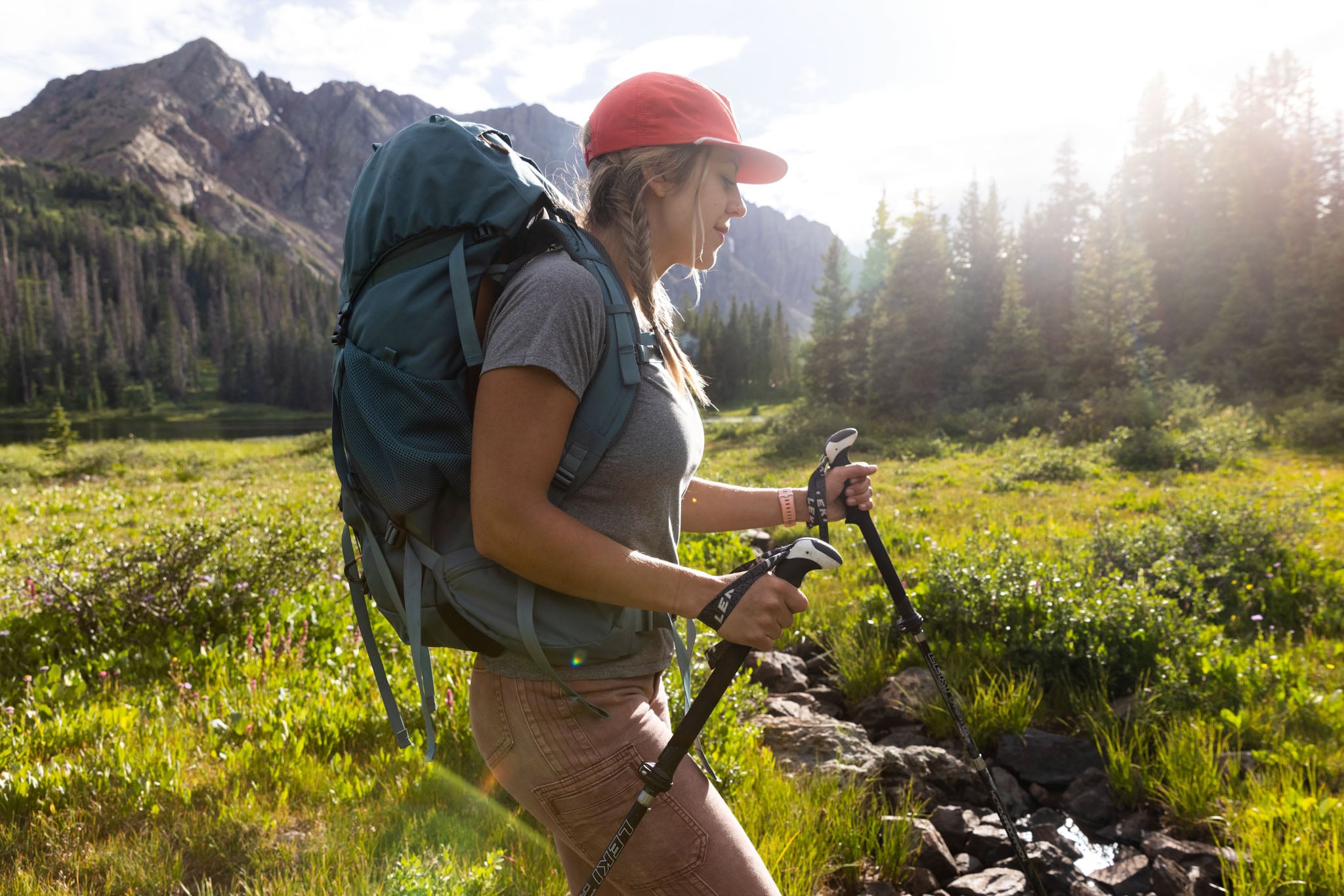
You need a way to carry your essentials when out on the trail, and in most cases, a backpack is the ideal solution. A good backpack will offer enough capacity to store all your hiking equipment, distribute weight evenly and comfortably, and provide enough durability to withstand whatever your adventure has in store.
Selecting a backpack isn’t just a matter of choosing a backpack you’d like, but one that’s appropriate for your upcoming hike. That means choosing a backpack with the right volume for your excursion, whether that may be a day pack(Se abre en una nueva ventana) for your afternoon hike or a larger backpacking pack(Se abre en una nueva ventana) for extended adventures outdoors. A backpack with the right volume will offer enough space for your necessities without so much space that it becomes cumbersome and uncomfortable.
Additional factors to consider when selecting the right backpack include available pockets for storing and organizing your gear, loops for attaching essentials like trekking poles or sleeping pads, and materials for added protection, like waterproof construction for wet adventures.
-
Recommended Gear:
-
For day hikes: Osprey Talon 22(Se abre en una nueva ventana), a lightweight and versatile daypack designed for comfort
-
For multi-day hikes: Osprey Atmos AG 65(Se abre en una nueva ventana), a backpacking pack with advanced ventilation and ergonomic design
Hydration
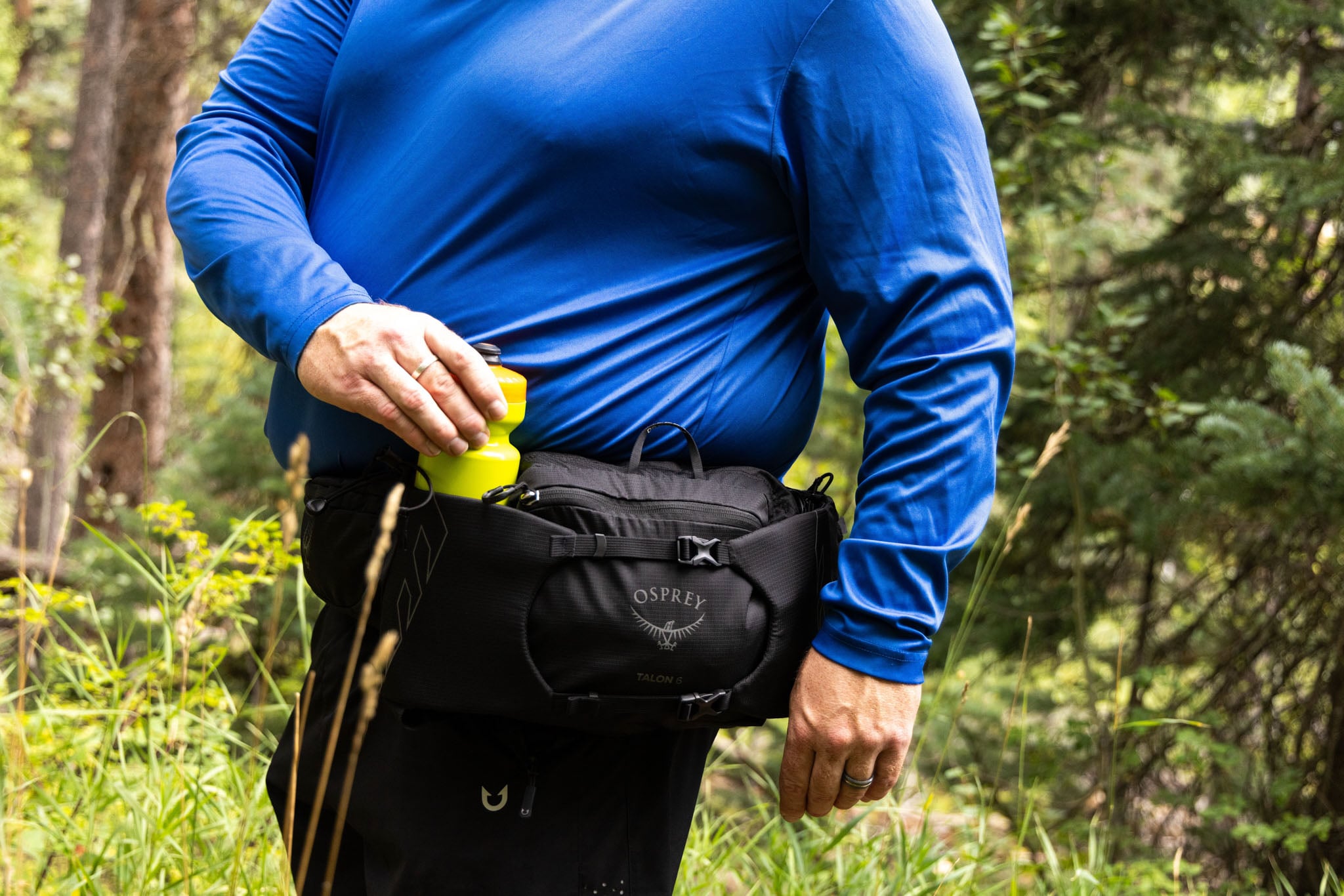
No matter your adventure of choice, it’s essential to stay hydrated. Dehydration can set in unexpectedly, leading to headaches, heat stroke, and even exhaustion. In the event of an emergency, water is one of our greatest necessities. Humans can survive just three days without water.
That’s why our next hiking essential is hydration. As a general rule, you should pack half a liter of water per hour(Se abre en una nueva ventana) on a moderate hike in fair temperatures. Your water intake will need to increase in warm temperatures, increased intensity, greater elevation, and other factors that may contribute to heightened thirst and put you at risk of dehydration.
For shorter day trips, a large, reusable water bottle will typically suffice. For a multi-day adventure, multi-liter hydration reservoirs(Se abre en una nueva ventana) may be able to hold enough. Still, it’s a good idea to bring along water filtration or purification tools as a backup.
-
Recommended Gear:
-
For day hikes: Reusable water bottles
-
For multi-day hikes: Osprey Hydraulics™ 3 L Reservoir(Se abre en una nueva ventana) and water filtration and purification tools
Nutrition
Nutrition is just below hydration on the list of hiking trail essentials. Depending on the intensity and conditions of your hike, even a short hike can burn a lot of calories. Proper nutrition can replenish your energy levels throughout the duration of your hike, helping to ward off exhaustion.
For a day hike, lightweight and calorie-dense snacks can provide plenty of sustenance, like trail mix, protein bars, and fruit or vegetables. For longer excursions, dehydrated meals are a lifesaver. These pre-made meals have been completely dehydrated to make them lighter to carry and to preserve them for longer. Look for meals with plenty of protein and carbs, like dried rice and beans, lentil soups, ground meats, and more. Simply add water and let sit. To improve their taste, consider bringing along a compact stove to heat them up.
-
Recommended Gear:
-
For day hikes: Lightweight, calorie-dense snacks like trail mix, protein bars, and fruit
-
For multi-day hikes: Protein and carb-rich dehydrated meals and a compact stove for heating
Proper Clothing
While the great outdoors brings beauty and rejuvenation, it also exposes you to Mother Nature’s elements. Proper clothing can protect you against inclement weather, sunburn, overheating, and other potential conditions. No matter the weather, it’s important to wear moisture-wicking layers. Not only can they keep you comfortable and dry, but they can help regulate temperature, too. Look for hiking clothing that offers UV-protection for additional protection against sun damage. In most environments, a hat is another hiking essential to protect your face and eyes from the sun’s rays.
It’s also important to select clothing according to your environment. For a cold hike around an alpine lake(Se abre en una nueva ventana), for example, you’ll want insulated, waterproof clothing to keep you warm. For warmer environments, it’s all about breathable layers that offer protection while keeping cool.
-
Recommended Gear:
-
Moisture-wicking layers for temperature regulation
-
Weather-appropriate clothing for your hike’s climate
First Aid Kit
Accidents can happen on even the easiest hikes. Whether a minor injury or health emergency, it’s important to be prepared when danger strikes. A good first aid kit should contain essentials like blister treatments, bandages, antiseptic, tweezers, and pain relief medication. It’s also recommended to bring along a few more doses of essential personal medications in case a few-day hike turns into a multi-day journey.
Depending on the conditions of your hike, carry hiking-specific first aid essentials, too. For example, when hiking to see wildlife(Se abre en una nueva ventana), it can be wise to bring along insect repellant and creams to counteract bites from insects in the area, along with bear spray to keep larger animals away.
-
Recommended Gear:
-
Compact first aid kit with blister treatment, bandages, antiseptic, tweezers, and pain relief medication
-
Several extra doses of personal medications
-
Insect repellent and bear spray
Emergency Shelter
An emergency can quickly extend a day hike into an overnight hike. You may become hindered by inclement weather, a medical emergency, or you may simply get lost. That’s why our next hiking essential is an emergency shelter.
In the event of an unexpected night outdoors, the last thing you want is to sleep unprotected. There are plenty of simple, lightweight emergency shelter solutions that you can easily carry along, like space blankets or even emergency tents that fold up to the size of a can of soda. Bivy shelters are another great solution. These emergency shelters offer just enough space for you and your sleeping bag and offer full-body protection against the elements.
For even easier packing, look for products that are compatible with your Osprey backpack, like those that perfectly fit in external pouches or can be secured to carry loops.
-
Recommended Gear:
-
Compact tent, bivy shelter, or space blanket
-
Products compatible with your Osprey backpack
Illumination
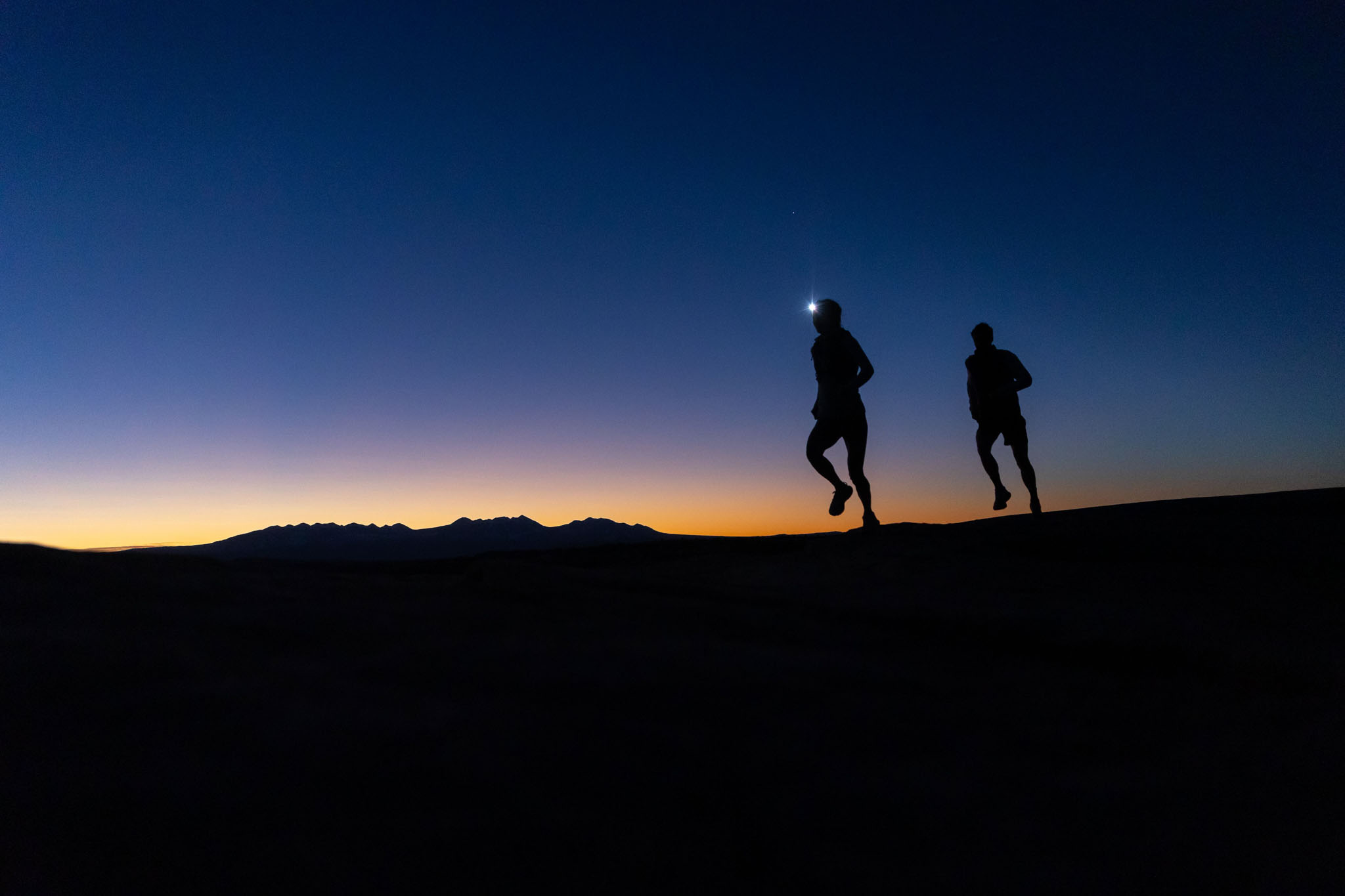
Illumination is another hiking must-have. A flashlight or headlamp can help you navigate your campsite at night or the trails when the sun goes down. Plenty of solar-powered options are available to ensure you have access to light no matter how long your trip is. Otherwise, bring a few extra batteries, just in case.
-
Recommended Gear:
-
Headlamp or flashlight
-
Extra batteries, if not solar-powered
Fire-Starting Tools
Fire is useful for many reasons on the trail: warmth, light, cooking, or signaling for help. In most cases, a lighter or a box of waterproof matches will do the trick. For challenging environments, fire starter sticks or magnesium blocks can help you start a fire in damp or windy conditions.
-
Recommended Gear:
-
Waterproof matches or a reliable lighter.
-
Fire starter sticks or magnesium blocks for challenging conditions
Multi-Tool or Knife
Another jack-of-all-trades, a multi-tool or knife can be useful in so many ways. From meal prep to gear repair to building an unexpected shelter, a multi-tool or knife can work wonders in any condition. Look for a lightweight option that easily fits in your backpack, and ensure it’s secured with a carabiner. Whether you use that pack for hiking or even day-to-day errands, you’ll be surprised how handy a multi-tool can be.
-
Recommended Gear:
-
Knife or durable multi-tool with knife, pliers, and screwdrivers
Frequently Asked Questions
Do I really need to bring all of these hiking essentials?
These items are called hiking essentials for a reason: they’re must-haves! These hiking essentials are lightweight additions to your backpack. While you probably won’t need most of them on your hike, you’ll be glad you have them when you do. We recommend putting safety essentials in your backpack and leaving them there for good. That way, you’ll always have them on hand.
What don’t I need to bring on a day hike?
Generally speaking, you don’t need to bring non-emergency overnight gear, extra clothing, toiletries, and similar items on a day hike. The emergency items on this list should sustain you in the event that you need to spend an unexpected night outdoors. Extra items would simply be additional weight with no purpose.
Are there any other items I’d need to survive outside of these 10 hiking essentials?
Each hike has its own list of essentials outside of these. For instance, a snowy hike may require traction like crampons or trekking poles, whereas a desert hike may require sunscreen or electrolyte chews. Before going on your hike, we recommend doing some research on trail-specific essentials you may need in order to stay safe.
Final Thoughts
To stay safe on the trail, pack these ten hiking essentials for every trek, regardless of length, climate, or terrain. In addition to planning properly and prioritizing safety, these hiking essentials should provide coverage and protection in case of an emergency and set you up for your best hike yet. Another way to elevate your hiking experience is with smartly designed hiking gear, such as an Osprey hiking pack(Se abre en una nueva ventana). Minimize weight and maximize efficacy with gear designed by adventurers, for adventurers.
Cargando...
Your Cart ()
No tienes ningún artículo en tu carrito.
You may also like
Subtotal:
Subtotal after discount:
Cargando...