
Search is currently unavailable. To use search functionality, please accept cookies in your preferences.
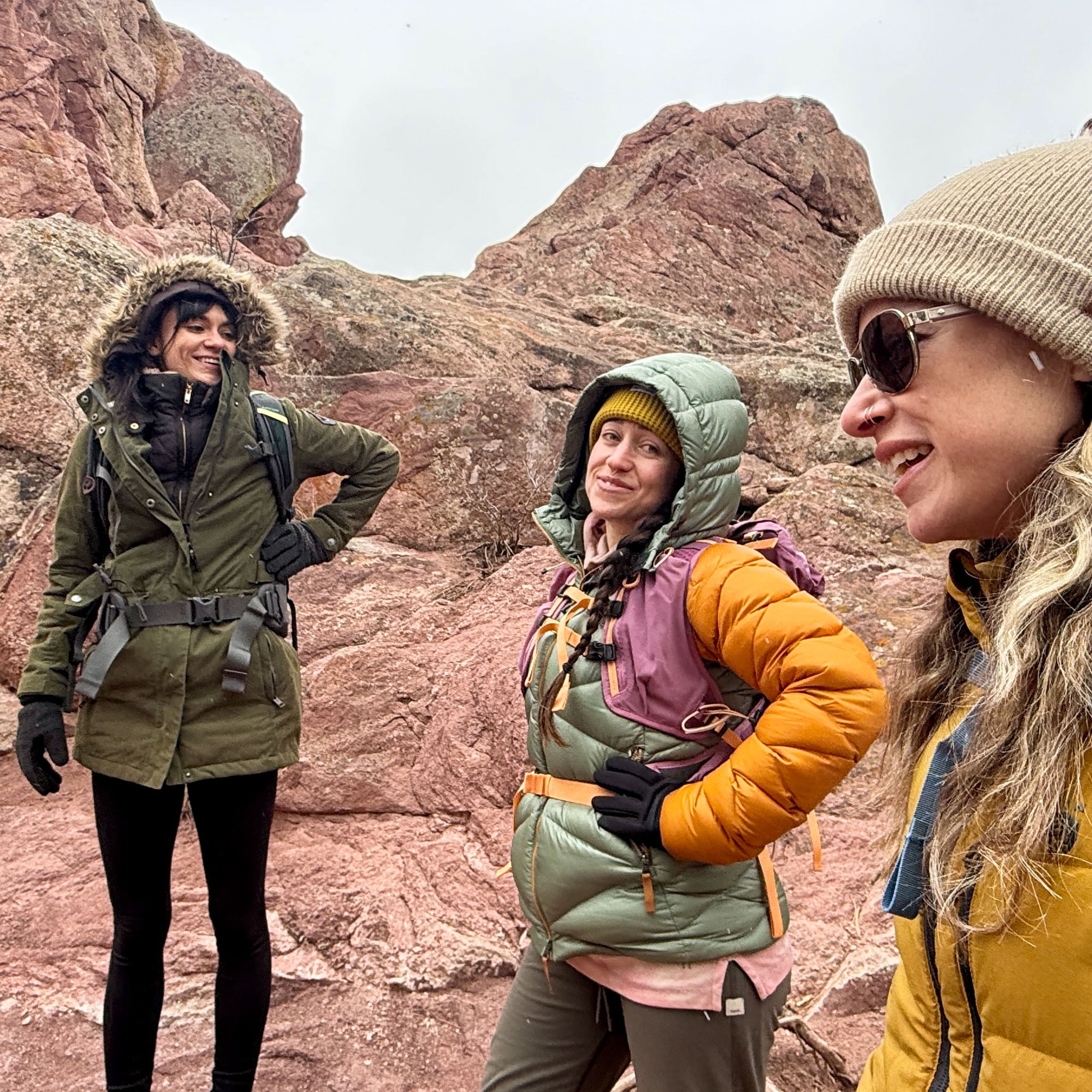
Emily Pennington
Mar 17, 2026
Gone are the days when the only figures lining the pages of glossy outdoor magazines are gnarled mountain men with scraggly beards in down parkas, trying to brave the impossible. And thank goodness. Exploring the limitless boundaries of the natural world is a heck of a lot more fun when everyone is included.
Strong women with big goals and diverse backgrounds are pushing boundaries across a wide variety of outdoor pursuits, whether it be whitewater kayaking a remote river or setting out on a long distance trail solo.
So, this year for Women’s History Month, we wanted to talk to five badass female adventurers and get some real-deal packing advice and no-nonsense tips for lady nature lovers looking to get out into the wilderness this year. In addition, we asked them what they always stash in their day packs (other than the ten essentials(Se abre en una nueva ventana)) before they set off. Some of the answers might surprise you.
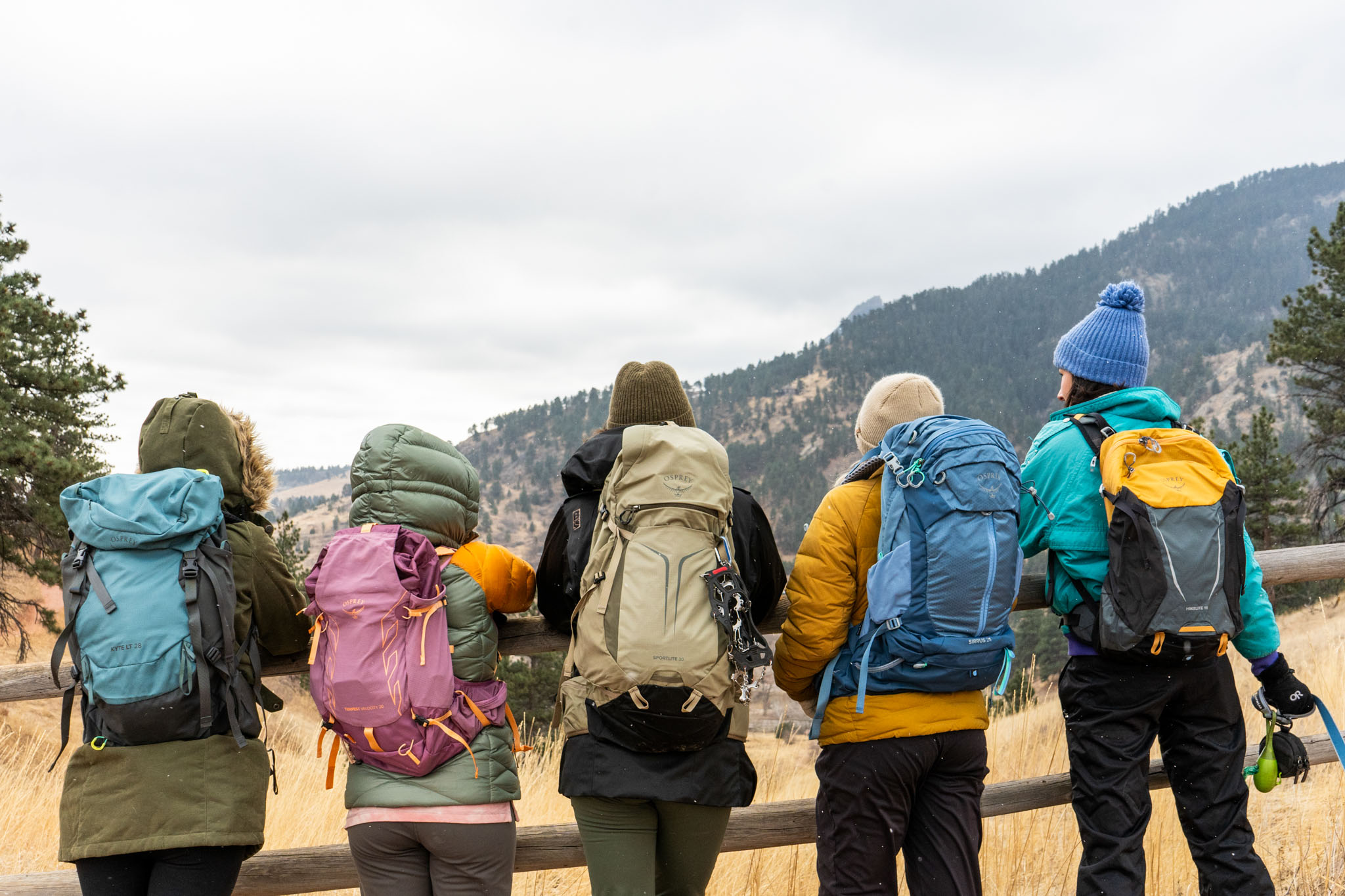
1. Sunny Stroeer - The Mountaineer
Founder of the Summit Scholarship Foundation(Se abre en una nueva ventana), owns AWExpeditions(Se abre en una nueva ventana) + Dreamland Safari Tours(Se abre en una nueva ventana). She’s the first woman to complete the 1,000-mile Iditarod Trail Invitational Race on skis.
What’s one piece of advice that you would give to a lady who’s just starting out hiking or backpacking?
One step at a time. However big or small your goal may be, you don't need to know that you can accomplish it; you just need to know that you can safely take the first step from where you are. The rest will fall into place, and not being certain of success makes the journey that much more amazing.
Ok, here’s what we really want to know. What are five things you always carry in your day pack?
Portable GPS: I spend a lot of time in places with no cell service—remote desert, Arctic tundra, high-altitude routes where the nearest help is hours or possibly days away. This device lets me send and receive messages via satellite and, if things go sideways, trigger an SOS (which I've only had to do once over the course of the last decade).
My phone: That's my camera, my map, my music, my audiobook library, and my emergency backup GPS all in one. I keep it in airplane and low-power mode to save battery and often pair it with a small power bank.
Doggy bags: I have a dog, so there's the obvious use—but doggy bags are legitimately one of the most versatile items you can carry. They weigh nothing, take up zero space, and work for everything from packing out trash and isolating wet or dirty gear to improvised waterproofing for small items.
Emergency water treatment: I carry purifying drops or a small filter, even on day hikes where I don't expect to need them. Detours happen, and random water sources can be the salvation before dehydration gets dangerous fast. It's cheap, light insurance against an interesting (or a bad) day getting worse.
Bear claws (the pastry): Durable, calorie-dense, and pretty freaking delicious—the holy trinity of trail food. Most hiking snacks are either nutritionally sound but taste like flavored cardboard, or they melt, crumble, or require preparation. A bear claw survives being crammed in a pack, delivers a pretty wild energy boost (did you know those things have 580 calories a pop?).
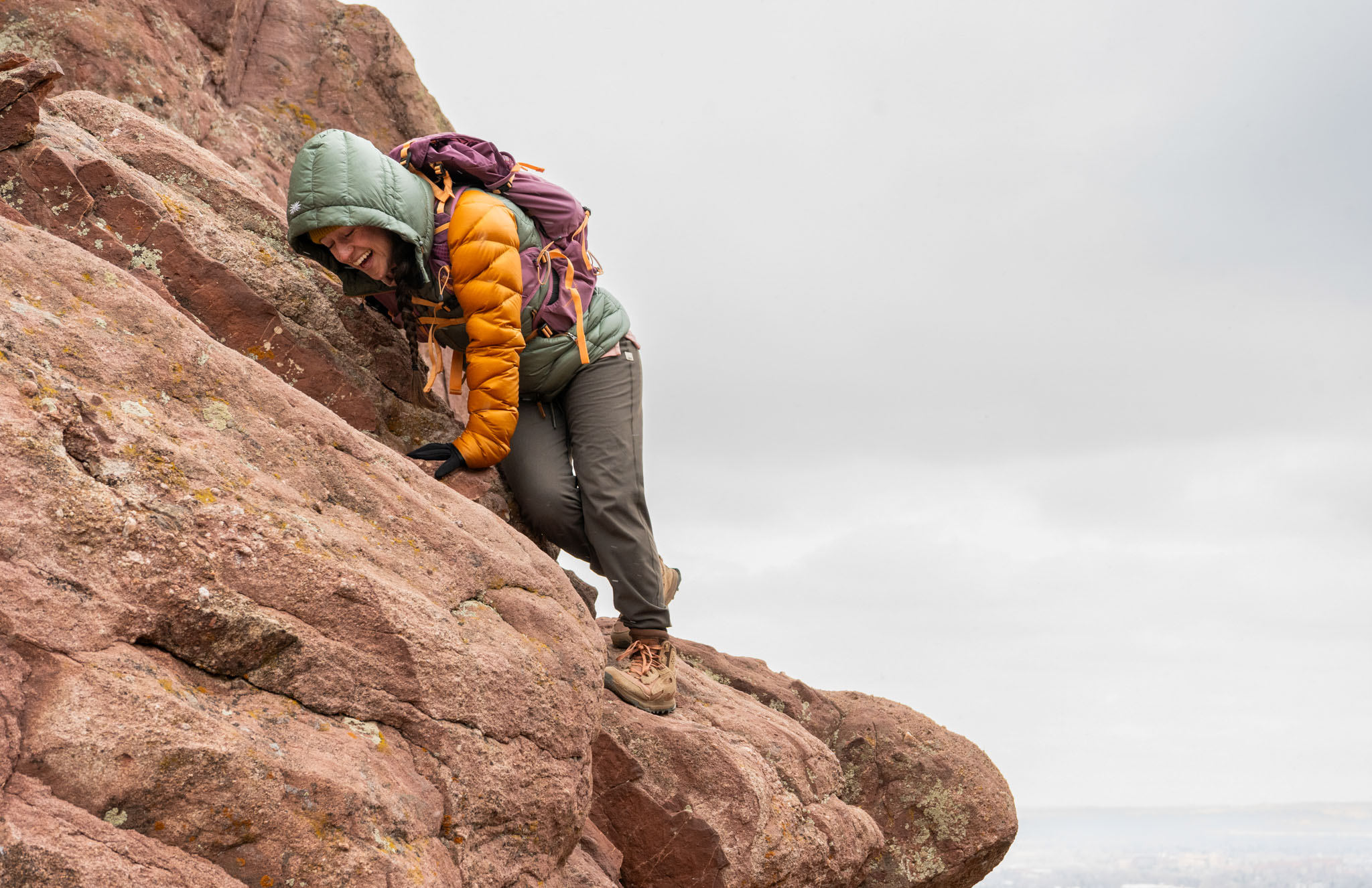
2. Elizabeth Gordon - The Africa Expert
CEO & Co-Founder, Extraordinary Journeys(Se abre en una nueva ventana). She’s hiked extensively across Patagonia, gone on multi-day walking safaris in Tsavo, completed horseback journeys through the Kenyan wilderness, and camped on Namibia’s remote Skeleton Coast
What’s one piece of advice that you’d give to a female friend who wants to start going on bigger adventures?
Go slower than you think you should. Set your own pace and don’t try to conquer the mountain all at once. Hiking is about rhythm and endurance, not speed. Confidence comes from going often, paying attention to your body, and building experience over time.
You’ve trekked in some seriously remote destinations. What are five things you always make sure to bring with you, even on a day trip?
Nuts or simple snacks: I plan fuel the way I plan a journey: steady and sustaining, rather than quick spikes. I like nuts because I am looking for long, consistent energy, not sugar highs that fade halfway up the trail.
More water than I think I’ll need: Dehydration is one of the easiest mistakes to make, and it can unravel a day quickly. I would always rather carry a little extra weight than cut a hike short.
An SPF stick: I choose a compact stick because it is easy to reapply, does not run into my eyes, and actually gets used. I learned this tip the hard way, after too many sunburns from long days on the water and skiing.
A fully charged phone: I download maps offline and review the route before heading out. I see technology as a backup tool, not a replacement for awareness and preparation.
A lightweight buff or scarf: Weather conditions shift quickly, and this is one of the simplest, most versatile things you can pack. I use it for sun, wind, or dust, and I’ll even lay it on the ground if I want to sit somewhere comfortably.
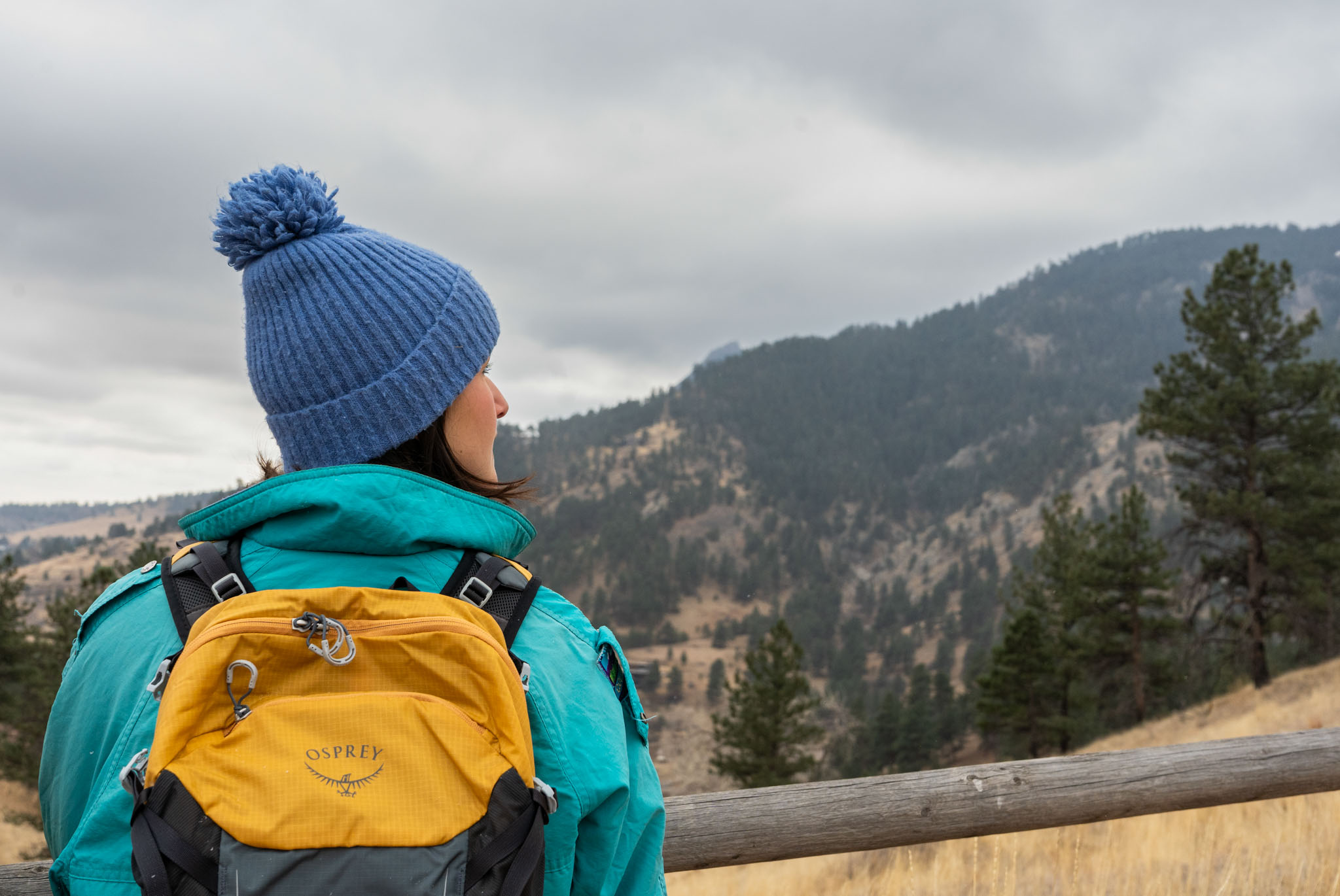
3. Karim Orange - The Adventure Travel Pro
Professional travel writer, founder of Garden of Kicks(Se abre en una nueva ventana) and Emmy-nominated makeup artist. She’s worked in the remote Utah desert, lived and farmed in Vilcabamba, Ecuador, and trekked in the Galapagos Islands.
If you had a friend or relative who was just starting out on their adventure travel journey, what guidance might you give them?
My advice would be to start slowly and with people you trust. Do as much research as you can prior to heading out.
You’re a big time adventure traveler. What are five things you always put inside your day bag?
A Collapsible Bidet: This is one of my hiking and backpacking essentials for staying fresh outdoors. Simply fill it with water—it’s lightweight, convenient, and takes up almost no space in your pack.
A lightweight rain jacket: Having a good waterproof jacket in your backpack is a must-have. This one packs super well, and not only protects from rain, but also from wind.
A Survival Kit Pouch: This kit covers all the essentials—plus the items you don’t think about until you really need them. Inside mine, you’ll find a folding knife, folding shovel, tree saw, pocket tool card, whistle, fire starters, glow sticks, scissors, and a survival blanket.
A Warm Micro-Fleece Hat: A quick-drying, synthetic micro-fleece is perfect for chilly days. Having an easy grab-and-go hat on a hike is essential for staying warm.
A mineral-based, non-greasy sunscreen: A good sunscreen is essential year-round, and I’m a big fan of EltaMD. It’s super lightweight, absorbs easily into the skin, and never feels sticky—even when you sweat.
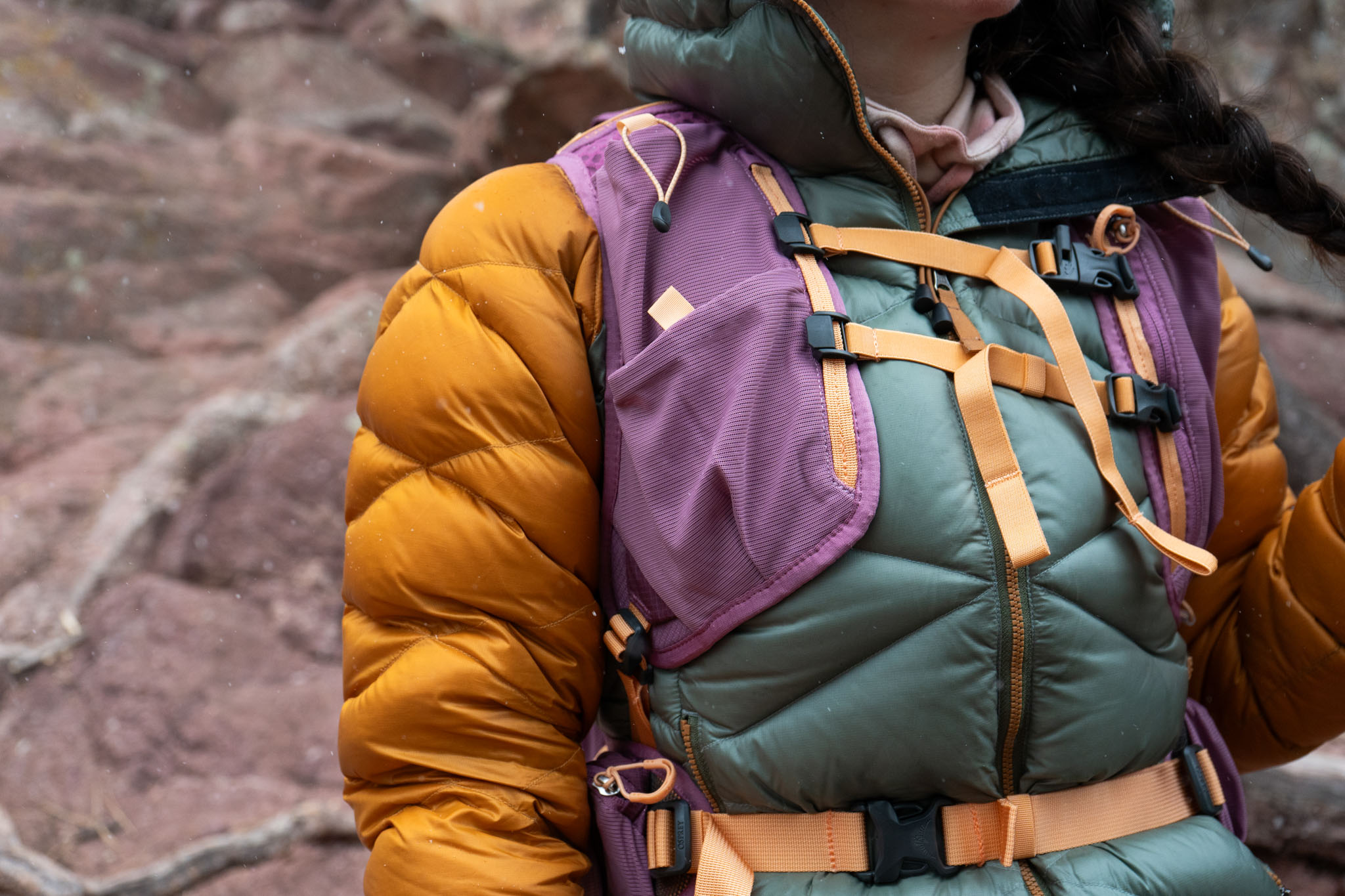
4. Liz Crandall - The National Park Expert
Host of the Rangers of the Lost Park Podcast(Se abre en una nueva ventana) & Digital Advocacy Associate Director for Conservation Lands Foundation(Se abre en una nueva ventana). She’s worked in the backcountry of Yellowstone National Park and whitewater kayaked the entire run of the Owyhee River in Eastern Oregon.
We want to inspire newbies and beginner hikers to feel more confident when they’re setting off on new adventures this year. What’s one piece of advice you’d give to a lady who’s just starting out?
Do your research and understand that one size does not fit all—meaning that what might work for one person might not work for you. Always carry the ten essentials, and make sure someone you trust knows where you are. Take it slow and go at a pace that feels right for you. Don't ever let anyone make you feel bad for not being "strong enough" or "fit enough" or "experienced enough." Go in with an open mind, an eagerness to learn, and try not to take yourself too seriously. Safety is always number one. After that, it's joy.
You’ve got one heck of an adventure resume. Other than the “ten essentials,” what are five things we’ll always find in your backpack?
A pee cloth: Because I have a small bladder, and it's nice to not contribute to more waste in the wild.
Bear spray: Even if I'm in an area that doesn't have an abundance of bears, I have it for my own safety from other predators (such as people). It can spray up to 30 feet, and is better than pepper spray, because you don't have to be as accurate. It also works for mountain lions, coyotes, etc., in the rare case of an attack. Just be sure to check before you head out that you’re not hiking in a national park that forbids bear spray for safety reasons.
A collapsible bucket: Hear me out. Do you like to mushroom hunt? Find cool rocks? Pick up trash, because it makes you mad to see it in nature? Do you get too hot and want to dump some water on your head without wasting your drinking water? A collapsible bucket may be right for you! It weighs virtually nothing, compacts down to a tiny square, and is an amazingly reusable item.
Fingerless hiking gloves: Dorky? Yes. Really comfortable and protects your hands from the sun and your trekking poles? Double yes.
Kinesiology tape: Also known as athletic tape—great for sore muscles, fatigued joints and pain. It helps prevent further injury to an affected area, and it’s an added comfort.
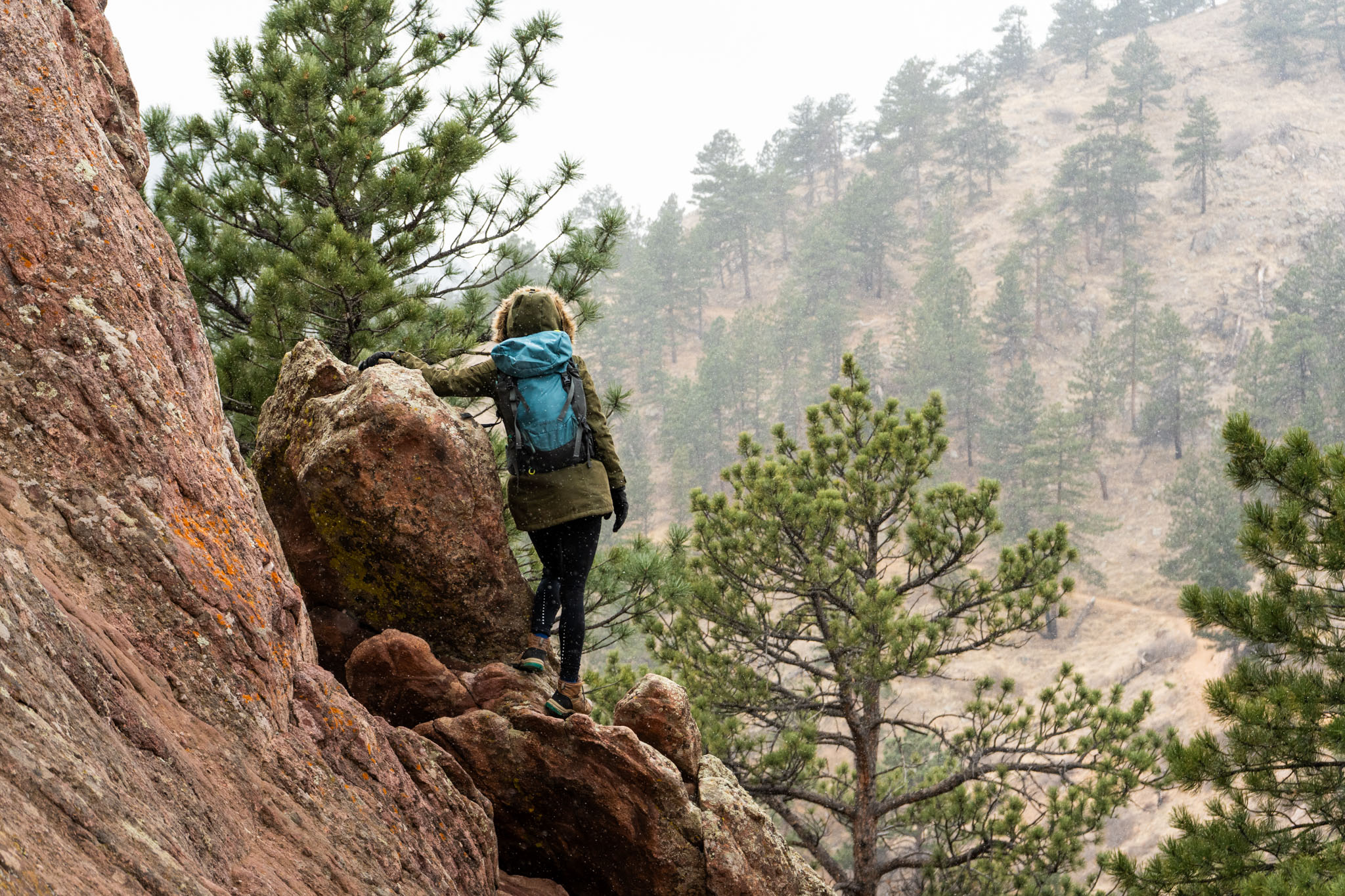
5. Heather Balogh Rochfort - The Backcountry Mom
Writer, author, and co-founder of WildKind(Se abre en una nueva ventana), a Colorado member-based community for outdoor families with young children. She’s cycled 3,893 miles across the United States and camped in a tent with her entire family for over 100 nights before her daughter’s first birthday.
You’re a working mom who’s managed to keep her life pretty darn adventurous, even with a kiddo in tow. What’s one key piece of advice you’d give to a hiker or backpacker who’s trepidatious or just starting out?
It’s easier said than done, but trust yourself. It’s so easy to be intimidated out there, whether it’s from imposter syndrome or the oodles of gear or the fear of all the “what ifs” that can happen. But ultimately, your outdoor experiences will rely on your ability to know yourself, along with your limits and your comfort zone. A lot of people like to tell you what you can or can’t do, but if you trust yourself, that’s all just noise.
When you’re setting off on a day trip or simple hike, what are five pieces of gear that you’ll always carry with you?
A pee cloth: A reusable, antimicrobial pee cloth is great, because it always beats drip drying.
Hiking toe socks: I know they look weird but these prevent any blisters from forming on my toes! I use them for trail running too, and I won’t hike or run long distances without them.
A trucker hat: I have about 50 of them at this point, and it’s because I always have one on when I’m outside, and especially while hiking. Not only do they contain my mop of unwashed hair, but they protect my face from the sun… something I value as a woman over 40!
GPS watch: It’s a running joke in our house, but I’m an absolute junkie for biometric data. I’ve had some type of watch on my wrist and tracking for nearly a decade, and that definitely includes all of my hikes. I’m not brand loyal—usually Garmin or Suunto—but I love looking at the data and numbers after an adventure.
Tinted lip balm: I’m a dirtbag and won’t pretend otherwise. But, I always hike with SPF lip balm to protect my lips, and I typically like it to have a slight tint. It helps me feel more pulled together, even if I’m on day four of no showering and wearing the same clothes.
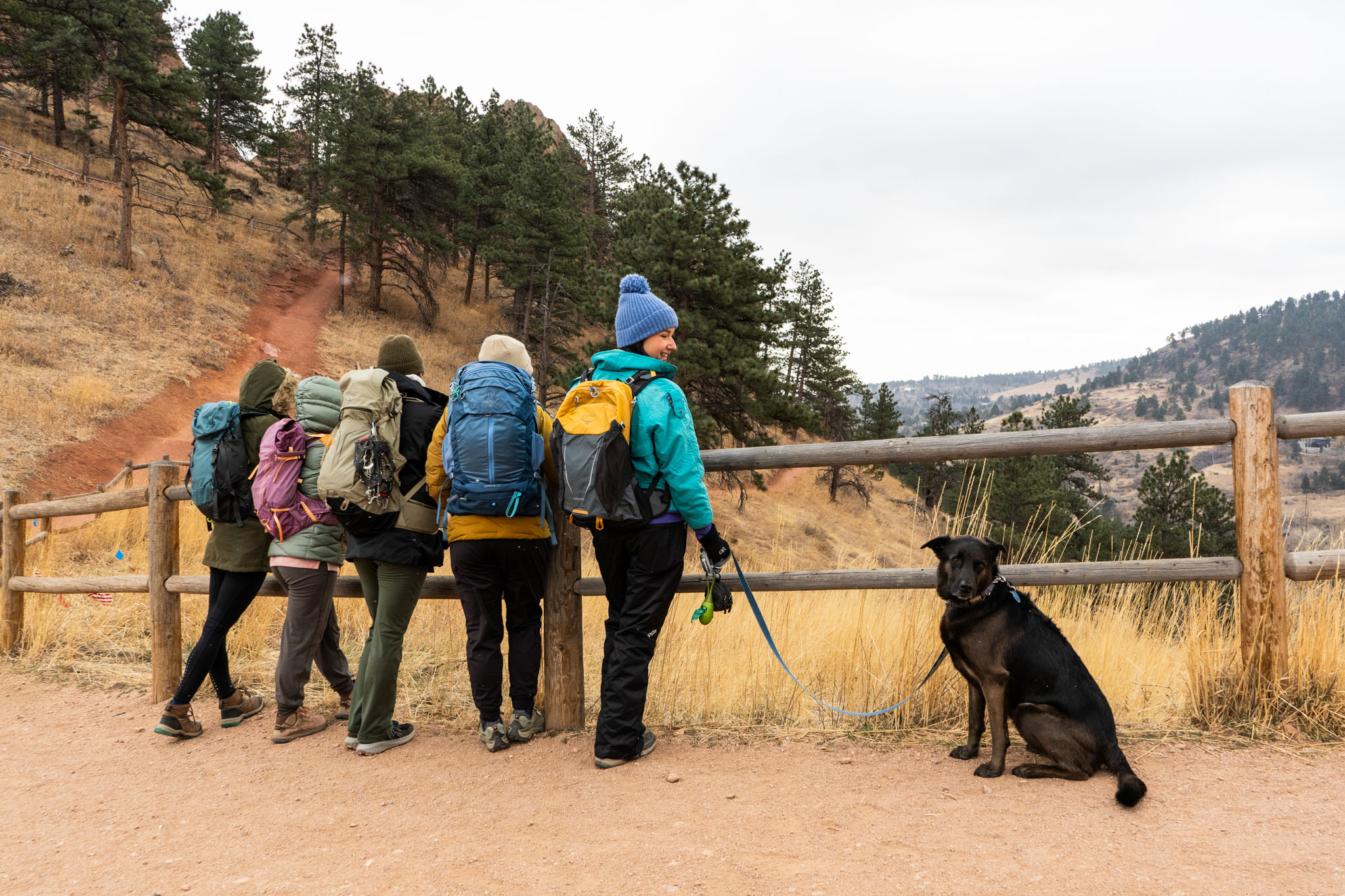
Photo Credit: Emily Pennington
Video player
Cargando...
Mi cesta
Your Cart ()
No tienes ningún artículo en tu carrito.
You may also like
Subtotal:
Subtotal after discount:
Cargando...