
Search is currently unavailable. To use search functionality, please accept cookies in your preferences.
The Matthew Henson Obsession
Join Osprey Ambassador, James Edward Mills, on a journey through time to share a story worth celebrating all year round and a mission that faces us as we head into the future.
11 minutos leer

Feb 02, 2026
Many of my adventure ambitions are motivated by the heroes of our past. The first successful expedition to reach the North Pole on April 6, 1909, is a constant source of inspiration as I scheme to explore new ways to fully embrace the frigid cold temperatures of winter. At the turn of the 20th Century, humanity had yet to reach the northernmost point on our planet. With ancient technology derived from the native people of the Arctic from the Island of Greenland, a small team of six travelers braved the frozen icecap in the hopes of planting an American flag at the top of the world. Principal among the members of this remarkable expedition was a Black American man from Baltimore, Maryland named Matthew Alexander Henson.
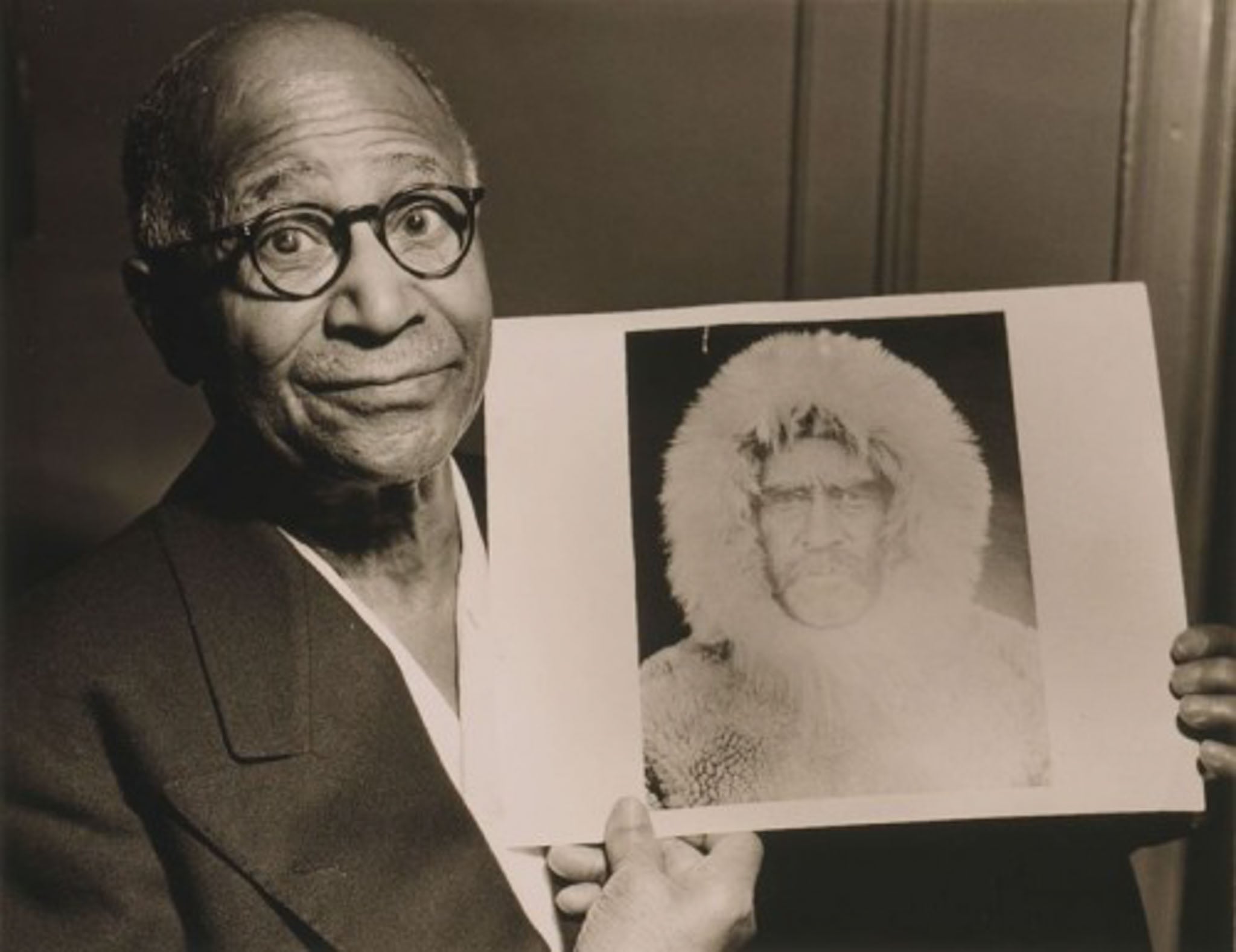
As we celebrate the 100th Anniversary of Black History Month, I’m thrilled to devote my excitement for pure adventure to the memory of those amazing characters, like Henson, who paved the way to make my access to the outdoors possible. Without limiting my enthusiasm to the month of February, as a Black man in 2026 I am eager to honor their accomplishments throughout the year. Though American history too often forgets the milestones achieved by people of color, by acknowledging the many struggles they overcame, it is possible for us to use their example from the past to plot a positive course forward to a better future. When it comes to Henson, I have a particular obsession.
In anticipation of the frigid cold temperatures of winter, I often think of what it must have been like on that incredible journey in 1909. On those days when the thermometer dips down below the digits you might expect in the Arctic, I bundle up for a morning run or bike ride to the gym with the excitement of a polar expedition. However, in recent years, unseasonably warm weather has become a bit alarming. That’s especially true if you love winter sports in places that are supposed to be cold, like Wisconsin.
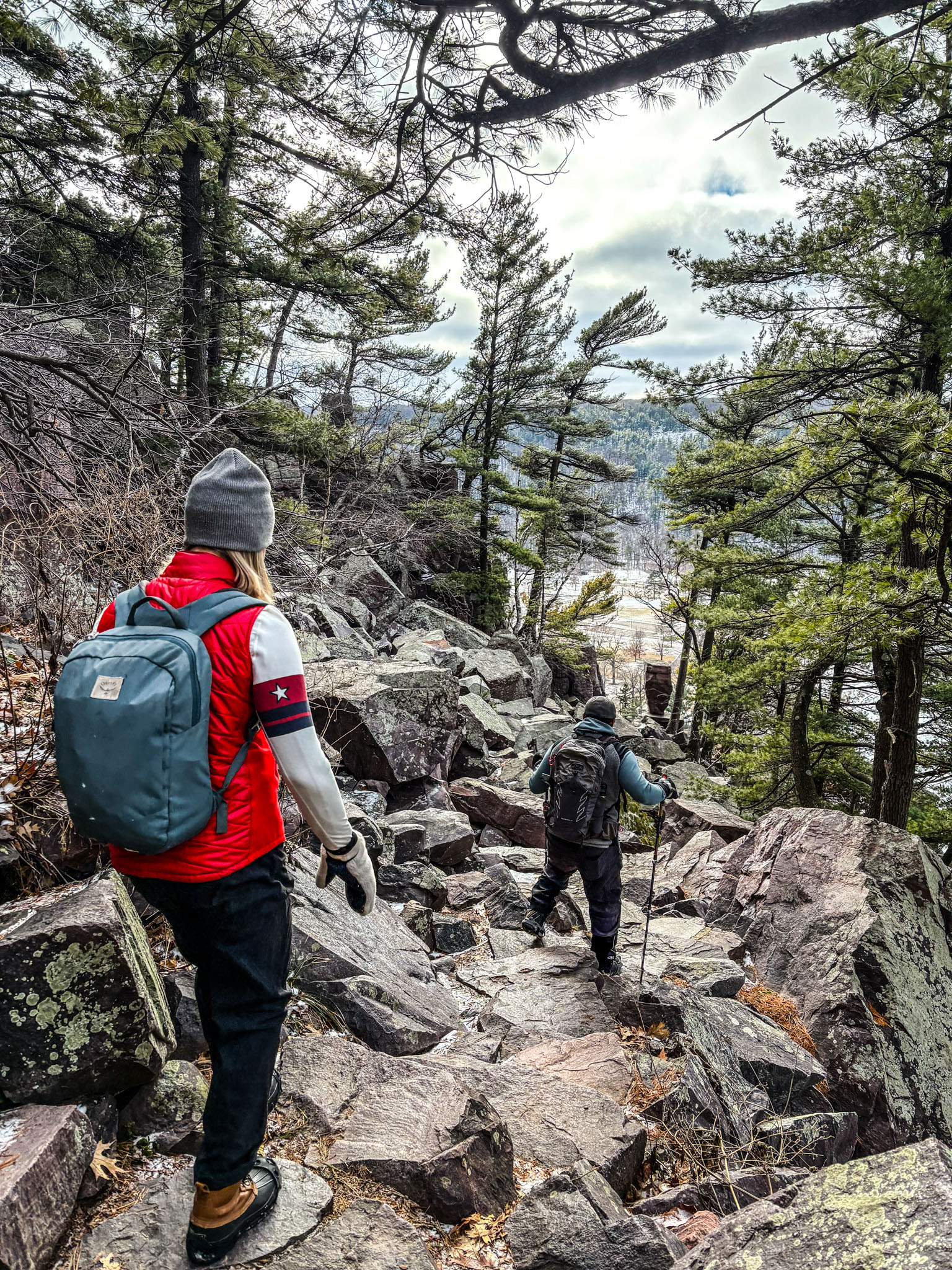
On an otherwise lovely day in January, our hike on the Ice Age National Hiking Trail around the perimeter of Devil’s Lake should have been covered in at least a foot of snow. But temperatures in the low 40s throughout the prior week made for an afternoon walk over rugged terrain that was merely chilly. On a hike that would typically require snowshoes, only the occasional patch of ice justified wearing light crampons to reduce the risk of a careless slip and fall. Even trekking poles, usually essential, seemed optional. Henson would have been sorely disappointed.
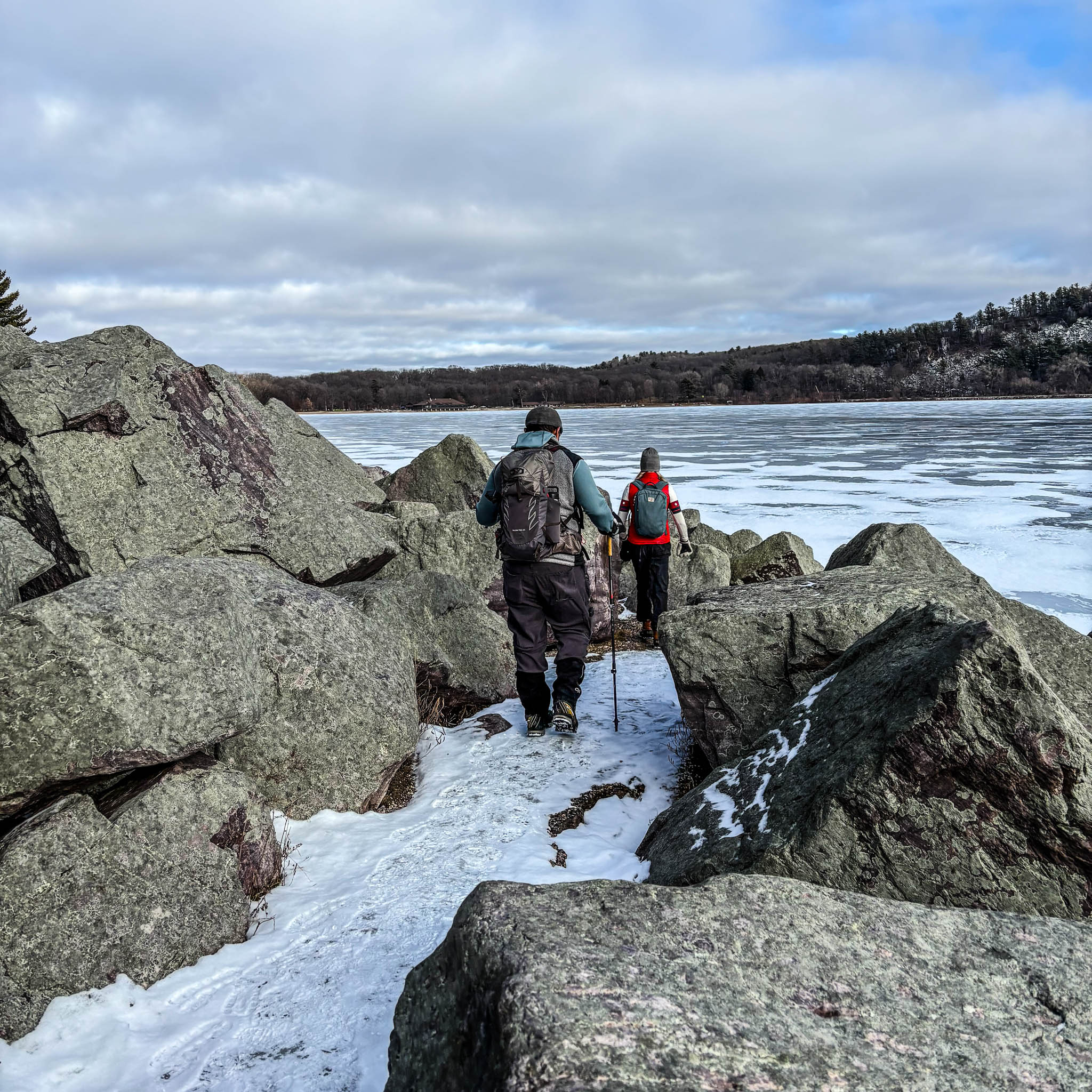
The realities of a warming planet constantly prompt my thoughts to the history of polar expeditions that began in the late 19th century. Back then, you could count on cold weather in the northern climates. A lack of consistent low temperatures and deep snow makes me want to acknowledge the achievements of past explorers so that people today remember what we have lost. I especially want us to remember that those early explorers included the active participation of people of color like Henson.
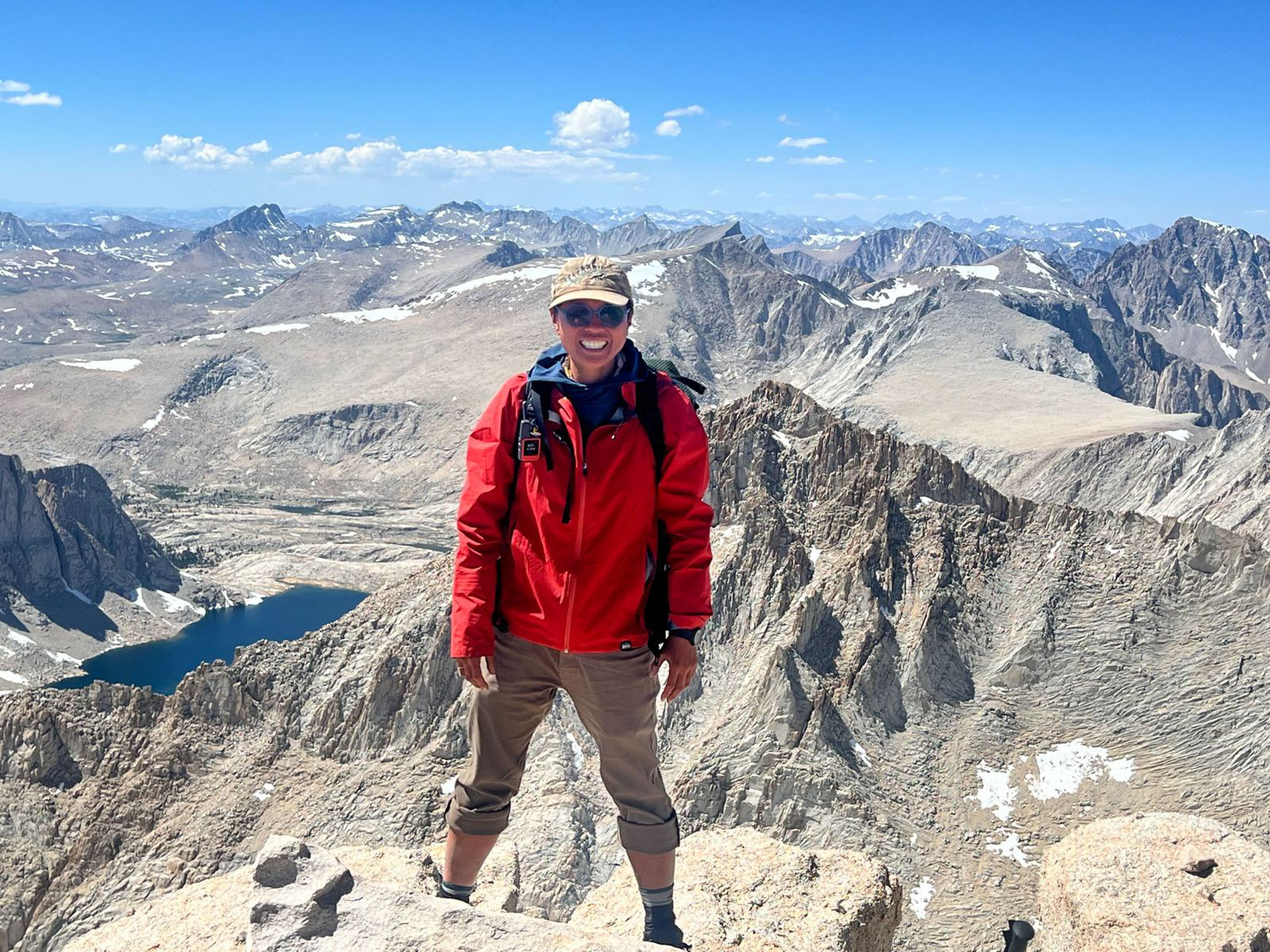
To boost awareness, I am proud to support the annual Matthew Henson Polar Explorer Scholarship. This small grant provides early career cold weather travel professionals with the technical skills they need to camp proficiently in winter. This year, our recipient Kwan Kwan, an aspiring outdoor educator from Minneapolis, will take part in a 5-day, all-expenses-paid training course in the Boundary Waters Canoe Area of Northern Minnesota.
“While I’ve spent years backpacking and canoeing, I want to deepen my skills in cold-weather and winter expedition environments, areas where barriers to access are even higher.” Kwan wrote in their application. “Representation matters. When people of color see instructors who look like them thriving in the outdoors, it reshapes what feels possible.”
Most people know about Robert Peary. Three years before his final expedition to the Arctic in 1906, the National Geography Society gave him the first of its prestigious Hubbard Medals for traveling further north than any human being in history. At the time there was no mention of Henson nor the Native people who made these trips possible. The same award would be presented posthumously to Henson almost a century later in the year 2000. Despite his lack of immediate recognition, Henson was a critical member of Peary’s team. Even before the explorers reached the pole with the vital participation of four native Inuit hunters named Ooqueah, Ootah, Egingwah, and Seegloo, the objective could not have been achieved without Henson.
As a skilled craftsman, Henson built the sleds used on the expedition based on Inuit designs. With his communication skills he established cooperative relationships with the native people to aid in managing supplies and navigating efficiently over a vast expanse with few distinguishing landmarks or features. On previous journeys from 1891-1892 and 1906-1907, Henson guided Peary to document a continuous northern shoreline of Greenland. Their efforts definitively confirmed that Greenland is in fact an island rather than part of a polar landmass. They succeeded in completing its circumnavigation, for the first time by modern explorers.
It’s important to understand that the North Pole is technically a spot on the Arctic Ocean. The constant presence of sea ice gives the false impression that beneath it lies solid ground. For millions of years a once permanent shelf of frozen water anchored the fixed geographic point at the North Pole to the coastal shores of Greenland. Just over a century ago, Arctic explorers like Henson and Peary could traverse the distance, more than 450 miles, by dogsled with only the occasional stretch of open water to block their path.
Unfortunately, due to the rise of global temperatures, a reliable route over ice from Greenland to the North Pole is almost impossible. The Polar Ice Cap is no longer attached to a habitable landform because today the water along its shoreline does not freeze as it once did. Without a clear course of travel across weight-bearing ice, the 1909 expedition of Henson and Peary cannot be duplicated by modern explorers.
My obsession with the story of Matthew Henson stems from a profound conviction that adventure is an expression of our relationships with the past, our place on the land and each other. His journey to the North Pole was possible through the knowledge of Native people, tenacious endurance and an unassailable sense of belonging in a moment of our shared national heritage that many tried to deny him.
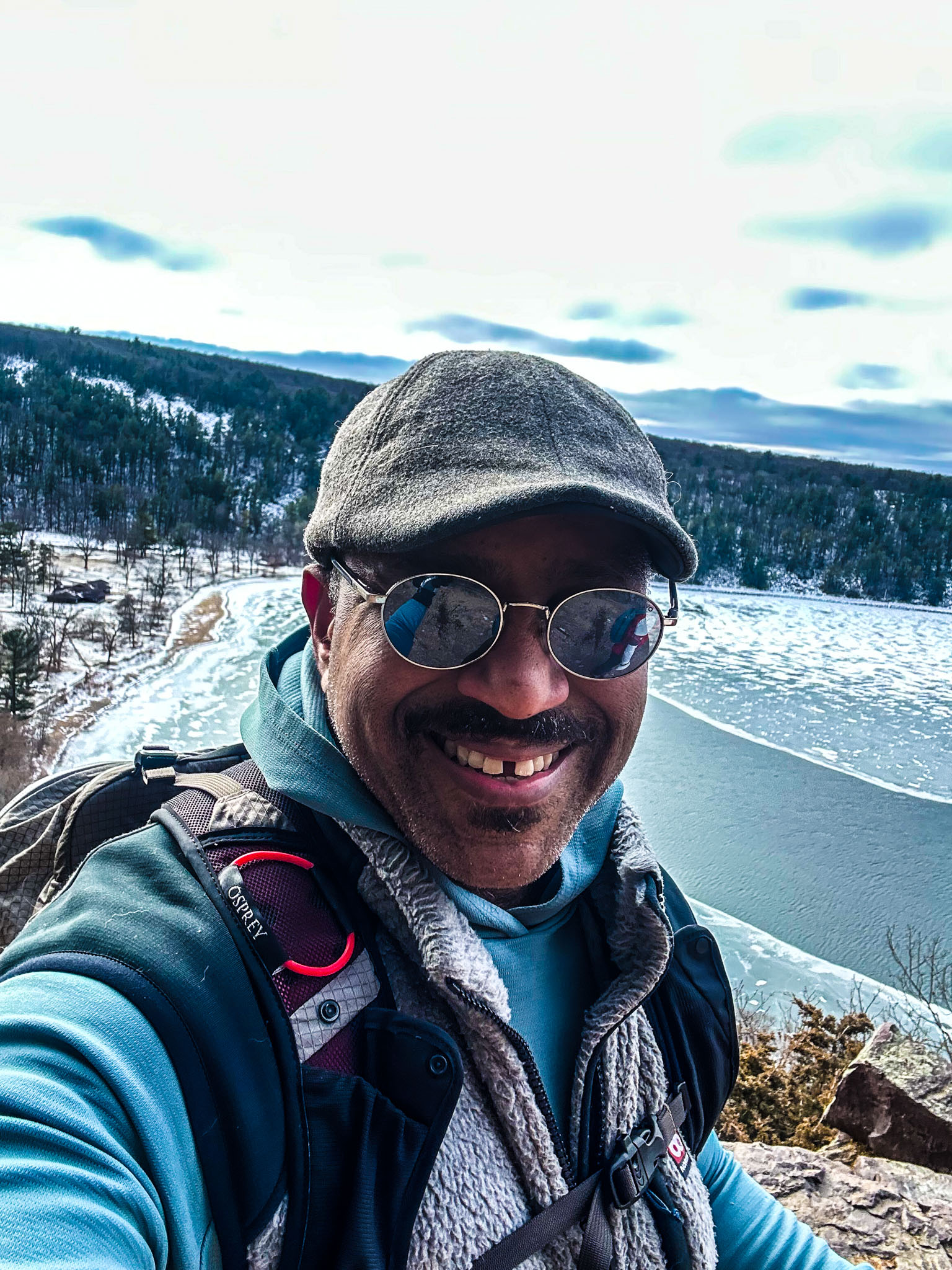
In the 21st century we all must realize that people of color played a fundamental role in the exploration of the most remote areas of our planet. There was once a time when the Arctic Ocean froze solid enough for human beings to traverse its length using non-motorized transportation with courage and determination. I believe that with the same sense of enthusiasm and urgency we must apply our collective ingenuity as a thinking species to work diligently toward mitigating the planet warming effects of climate change.
Today, as the Arctic ice shrinks from view and winter itself becomes less certain, the Henson legacy challenges us to consider what kind of future we are willing to fight for. If warming temperatures are erasing the physical routes once traveled by dogsled, then memory, storytelling, and action must become our new pathways forward. We must honor Henson and those like him, not just in February, but every day. Through this memory we affirm that the preservation of wild places and the stories we attach to them are inseparable. The courage that once carried explorers across frozen seas must now be focused on protecting our planet’s ability to support human life. In our obsession to remember Henson, we can assure that the next generation of adventurers will inherit not only the inspiration of the past, but a world still capable of sustaining their dreams in the future.
Cargando...
Your Cart ()
No tienes ningún artículo en tu carrito.
You may also like
Subtotal:
Subtotal after discount:
Cargando...